


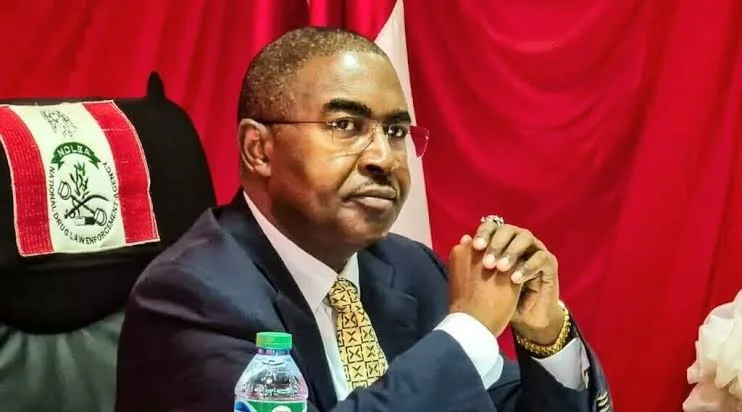
A group, Recovery Discovery Network, has made a passionate appeal to the federal government to declare a state of emergency on adolescent drug abuse.
It warned that the growing menace required urgent and coordinated national action.
The group said such a declaration would trigger a multi-agency response involving the Ministries of Health and Education, as well as the National Drug Law Enforcement Agency (NDLEA) to tackle the crisis at all levels.
At the third edition of the “Fly Above the High” programme held in Abuja over the weekend, the group’s president, Dr Adekunle Adeshina, stressed the need for early intervention through education and accessible support systems.
He called for the inclusion of age-appropriate drug awareness in the national curriculum for children between eight and 10 years, noting that prevention must come before exposure.
Adeshina also urged the government to dedicate funding to early-stage counselling services, saying timely intervention would reduce long-term health and economic burdens.
“Early investment saves both lives and resources,” he said, while advocating stricter prescription monitoring and tighter control on over-the-counter drugs such as codeine and tramadol.
He further called for a shift in public perception and urged the stakeholders to treat substance abuse as a chronic medical condition rather than a moral failing.
According to him, faith-based organisations, community leaders and the media must play active roles in promoting this new narrative and supporting affected individuals.
The expert added that primary healthcare workers, school counsellors and religious leaders should be trained to identify early warning signs and guide young people to appropriate care before addiction sets in.
In her lecture, the lead facilitator at SCF Limited, Salamatu Farouq Yahaya, highlighted the importance of family support in recovery, noting that stable home environments were crucial in addressing substance abuse.
She added that sharing success stories of recovery could help reduce stigma and encourage more people to seek help.
Also, Dr Samuel Abah called for stronger enforcement by regulatory agencies, expanded access to rehabilitation centres and sustained public awareness campaigns to improve prevention and recovery outcomes.