
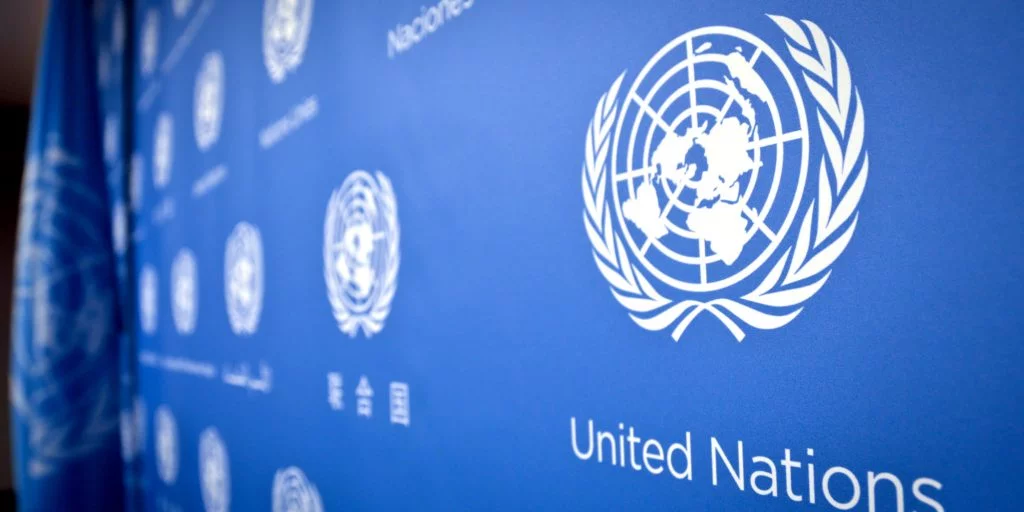
UN Women has condemned the Decree No. 12 issued by Afghanistan’s de facto authorities, warning that the new order further erodes the rights of women and girls and heightens their exposure to violence.
In a statement, the UN Women Special Representative in Afghanistan, Susan Ferguson, said the decree, shared with courts for implementation in early January, formally removes equality between men and women before the law and places husbands in positions of authority over their wives.
According to the agency, the decree stipulates that a husband is only criminally liable for violence within marriage if it results in severe and visible physical injuries. Other forms of abuse, including psychological and sexual violence, are not prohibited.
UN Women noted that, in combination with existing directives, the decree creates significant barriers for women seeking justice.
Women must prove abuse before a male judge, while fully covered and accompanied by a male guardian who may, in some cases, be the alleged perpetrator.
It noted that the decree also permits the detention of women or their relatives if they frequently visit family members without their husband’s consent.
Furthermore, the agency said the acts considered immoral or corrupt are classified as crimes and may attract severe penalties, including death.
The agency warned that women are particularly vulnerable under such provisions due to heightened community surveillance and previous restrictions governing their daily lives.
“Decree No. 12 also criminalises criticism of de facto officials, their policies, or their interpretation of Sharia law, with penalties ranging from imprisonment to corporal punishment.
“This measure further restricts women’s participation in public life and advocacy efforts,” UN Women said.
The agency called on the authorities to ensure that all laws and policies uphold the rights of women and girls, in line with international human rights treaties and conventions to which Afghanistan is a party.