By Ifeoma Ben, LLM, MBA
In today’s digital era, the rapid spread of false information poses a significant threat to national cohesion, democratic values, and public safety. Nigeria, like many other countries, is grappling with the effects of misinformation ranging from politically motivated propaganda to health-related conspiracy theories. The increasing use of social media as a primary source of news has made it easier for fake news to reach wide audiences at unprecedented speed.
Regulatory Responses Amid a Delicate Balancing Act
The Nigerian government has responded to this challenge with a combination of legislative proposals and policy directives. One of the most notable efforts is the proposed Protection from Internet Falsehood and Manipulations Bill, often referred to as the “Social Media Bill.” Although aimed at curbing the spread of false information online, the bill has faced criticism for its perceived potential to infringe on freedom of expression and press freedom.
Similarly, the Nigeria Broadcasting Code has been revised by the National Broadcasting Commission (NBC) to impose stricter penalties on broadcasters who disseminate unverified or harmful content. The NBC also regulates social media content through its guidelines on digital broadcasting. However, these interventions often raise concerns about regulatory overreach, censorship, and the silencing of dissenting voices.
Striking a balance between freedom of speech and preventing harm remains a complex policy challenge, one that requires both legal precision and political will.
Media Accountability and the Ethics Mandate
While legislation plays an important role, media organisations must also embrace responsibility for ethical journalism. The Nigerian Press Council and the Nigerian Union of Journalists (NUJ) have long advocated for professional conduct in reporting. Initiatives such as fact-checking platforms including Africa Check, Dubawa, and FactCheckHub, have become critical in promoting accurate news dissemination.
In-house editorial standards, transparency in news sourcing, and the promotion of media literacy among consumers are vital tools in countering misinformation. As AI and deepfake technologies become more accessible, the responsibility on newsrooms and content creators to verify and authenticate information grows exponentially.
The Legal Industry’s Role in Exploring New Frontiers
The legal profession plays a pivotal role in shaping Nigeria’s response to fake news. Lawyers and policy experts are increasingly involved in drafting tech-forward legislation that respects fundamental rights while ensuring accountability. Legal practitioners also defend media professionals against unjust prosecution and advise platforms on compliance with local laws.
With courts now handling defamation suits involving social media content, and legal challenges to internet shutdowns and digital surveillance, the intersection of law and digital communication has never been more pronounced. Moreover, the rise of data privacy laws such as the Nigeria Data Protection Act and the Nigeria Data Protection Regulation add another layer of complexity to how personal data is used or misused in the propagation of fake news.
Conclusion
Combating fake news in Nigeria requires a multifaceted approach involving regulatory frameworks, ethical journalism, and legal safeguards. While laws are essential in setting boundaries, the media’s commitment to integrity and the legal industry’s vigilance in upholding rights are equally vital. The future will belong to systems that combine transparency, technology, and trust to ensure that truth, not manipulation, remains the cornerstone of public discourse.
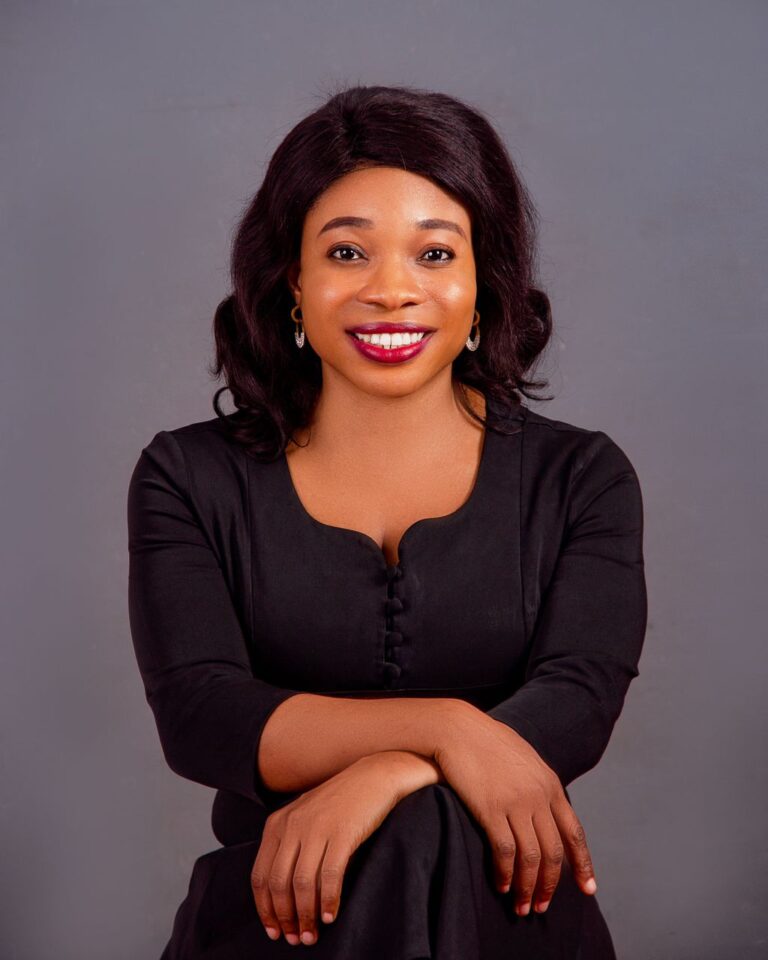
Ifeoma Ben is a Partner at The Law Suite and the Editor-in-Chief of Lawhauz Magazine and can be reached on 08033754299