

The Minister of State for Finance, Taiwo Oyedele, has assured Nigerians that the ongoing fiscal and tax reforms will deliver a fairer, more inclusive system that supports economic participation rather than stifling it.
Also, the Chairman of the National Tax Policy Implementation Committee (NTPIC), Joseph Tegbe, affirmed that the new tax regime was designed to ease the burden on workers and small businesses while strengthening the country’s fiscal sustainability and economic competitiveness.
He gave the assurance while delivering a keynote address at the Policy Innovation Centre launch of the 2025 Purple Book, ‘Advancing Inclusive Security Through New Voices and Approaches’.
Represented by Albert Folorunsho, member of the Presidential Fiscal Policy and Tax Reform Committee, Oyedele said the reforms mark a significant shift in Nigeria’s fiscal landscape, aimed at strengthening revenue mobilisation while promoting equity and inclusion.
According to him, Nigeria has enacted four landmark laws, including the Nigeria Tax Act, Nigeria Tax Administration Act, Nigeria Revenue Service Act, and Joint Revenue Board Act, to modernise the country’s tax framework.
“These reforms represent far more than legislative changes. They represent a structural shift in how Nigeria mobilises revenue, promotes economic inclusion and strengthens the social contract between government and citizens,” he said.
Oyedele noted that with over 92 per cent of Nigeria’s workforce in the informal sector, the reforms are designed to simplify compliance, eliminate multiple taxation and protect vulnerable households through targeted Value Added Tax (VAT) exemptions on essential goods.
He urged Nigerians not to fear the reforms, stressing that they were structured to reduce burdens on small businesses, support youth entrepreneurs, and expand opportunities across all sectors.
Earlier, a board member of the Policy Innovation Centre, Maryam Uwais, said tax reform must go beyond revenue generation to ensure fairness, efficiency, and visible benefits to citizens, particularly women, youth and informal workers who dominate the economy.
Similarly, the Regional Director at the Africa Immigrant Foundation, Toni Akiniyi, emphasised the need for inclusive policymaking, noting that diverse voices must shape tax policies to reflect the realities of different demographics.
Dr Abia Nsika of the Federal Ministry of Women Affairs and Social Development described tax policy as a powerful social tool that must promote equity and opportunity, especially for vulnerable groups.
Meanwhile, the Director of Human Capital Management at the Nigeria Revenue Service, Angel Fadadusi, highlighted the importance of gender-responsive tax systems, stating that inclusive policies strengthen public trust and broaden the tax base.
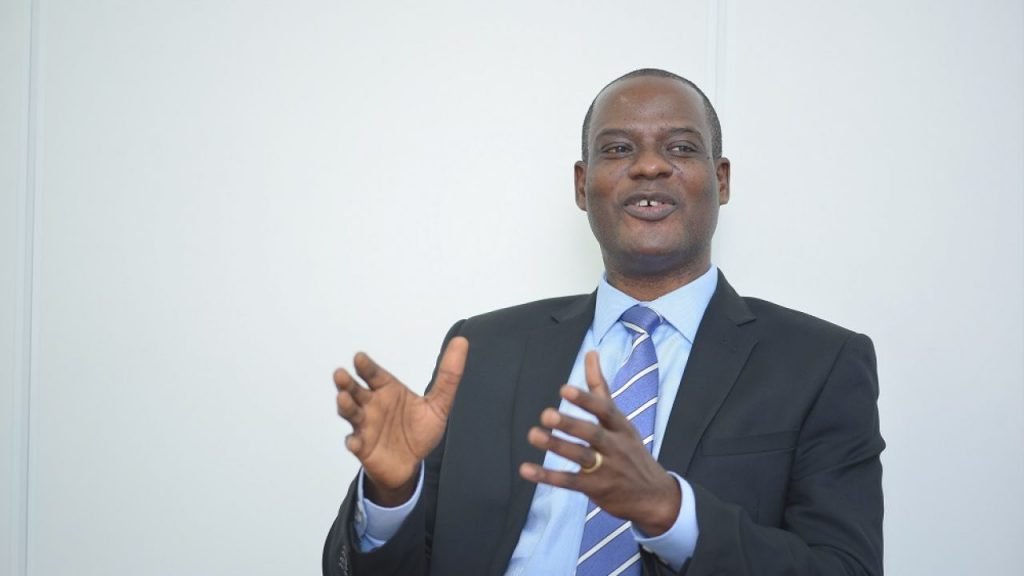
Speaking at the BusinessDay Tax Reform Conference 2026, with the theme, ‘Navigating the New Tax Regime: What It Means for Your Wallet’, Tegbe described the reforms as the most comprehensive overhaul of Nigeria’s tax architecture in decades, aimed at simplifying taxation, improving fairness and encouraging economic growth.
According to him, the reforms, anchored on four landmark legislations, introduce targeted reliefs for individuals and small businesses.
Under the new framework, individuals earning less than N800,000 yearly will pay no personal income tax, while workers can claim rent relief of up to 20 per cent, capped at N500,000, among other reliefs.
Small businesses will also benefit significantly, with companies earning below N100 million in yearly revenue and with assets under N250 million exempted from Company Income Tax, while nano-enterprises earning below N12 million yearly are exempted from income tax.
He, however, underscored the importance of proper documentation of earnings and subsequent filing of returns, even for those who fall within the threshold exempted from income tax.
“These reforms are designed to make taxation simpler, fairer and more predictable for Nigerians,” Tegbe said. “For most workers and small businesses, the new regime means paying the same or even lower taxes while operating within a more transparent system.”