


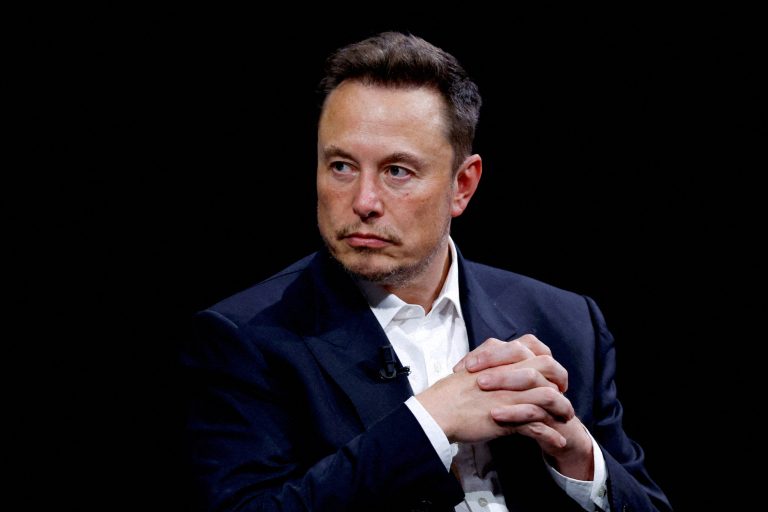
Elon Musk has revealed SpaceX’s plan to establish a self-sustaining, “self-growing” city on the Moon within the next decade.
He argued that the lunar surface offers a faster and more practical pathway to long-term human settlement in space than Mars.
Speaking about SpaceX’s long-term ambitions, Musk said the company’s immediate strategic focus is shifting toward the Moon because of its proximity to Earth, which allows for shorter travel times, easier logistics, and faster development cycles.
He suggested that lessons learned from building a lunar outpost could accelerate the broader goals of creating permanent human habitats beyond Earth.
Musk described the concept as a settlement capable of expanding with local resources, relying on in-situ construction, life-support systems, and regular resupply from Earth in its early phases. Over time, he said, the aim would be to reduce dependency on Earth by using lunar materials and advanced recycling technologies to support human life.
Space analysts say the idea is ambitious but not entirely out of step with current space exploration thinking. Dr. Laura Henderson, a space policy researcher, noted that many agencies, including NASA, have already identified the Moon as a stepping stone for deeper space missions. “The Moon is three days away, Mars is months away. From an engineering and safety standpoint, it makes sense to test long-term habitation closer to home first,” she said.
However, other experts caution that building a self-sustaining city on the Moon presents significant technical hurdles, including extreme temperature swings, radiation exposure, limited atmosphere, and the challenge of generating food, water, and breathable air at scale. Aerospace analyst Mark Feldman said, “The concept is compelling, but we are still in early stages of proving we can keep humans alive in harsh environments for extended periods without constant Earth support.”