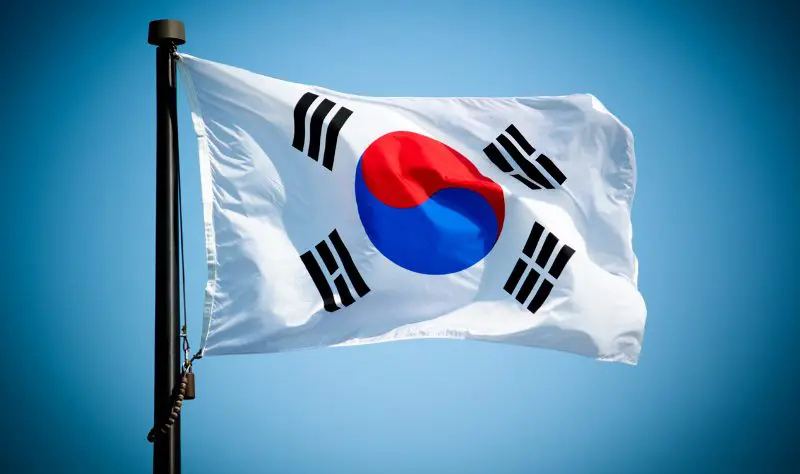
South Korea’s government convened emergency discussions on Tuesday after US President Donald Trump’s announcement that tariffs on South Korean goods, including automobiles, lumber, and pharmaceuticals, would be increased.
Trump, in a statement on Monday, accused South Korea of failing to uphold a previously agreed trade pact with the United States. The proposed tariff hike would raise rates from 15 per cent to 25 per cent.
“South Korea’s Legislature is not living up to its Deal with the United States,” Trump wrote on Truth Social. He added that the increase is prompted by South Korea’s apparent delay in enacting the trade agreement, “which is their prerogative.”
South Korea’s presidential office noted that it had not received prior official notice of the planned tariff adjustments. In response, officials held an urgent meeting to evaluate possible courses of action, with Trade and Industry Minister Kim Jung-kwan participating remotely from Canada.
“Our government intends to reaffirm its commitment to implementing the tariff agreement while maintaining a measured and diplomatic approach,” the office said in a statement.
Seoul also noted that the proposed US tariff increases would only take effect after administrative procedures, including publication in the Federal Register.
Trade Minister Kim is expected to travel to Washington to hold direct discussions with US Commerce Secretary Howard Lutnick to resolve the matter.
The announcement comes months after Washington and Seoul finalized a trade and security agreement following a meeting between Trump and South Korean President Lee Jae Myung in October. The pact included mutual investment commitments and US tariff reductions on South Korean automobiles.
South Korean officials have argued that the deal does not require parliamentary approval, classifying it as a memorandum of understanding rather than a binding legal statute.
A senior official said on Tuesday that the government was reviewing the agreement’s parliamentary status.
The original deal had reduced US tariffs on South Korean cars from 25 per cent to 15 per cent, along with levies on vehicle parts and pharmaceuticals, marking a key component of the trade arrangement.