
Dangerous utterances from political actors, artificial intelligence-generated misinformation and the manipulation of electronic evidence are some of the emerging threats to the credibility and peaceful conduct of the 2027 general election, the Independent National Electoral Commission (INEC) said yesterday. FollowPolitics
The electoral umpire identified “Rig and Die” slogan by some party officials as one of the red flags that could undermine the electoral process.
It urged leaders to refrain from inflammatory language capable of endangering electoral officials and voters.
The commission asked judges to avoid technicalities but resolve petitions arising from election disputes on merit.
The Commission also urged the media (journalists) to avoid amplifying potentially-inciting narratives in the discharge of their duties.
On Monday, INEC intensified preparations for the elections with the inauguration of 375 judicial to serve on the election petition tribunals.
The commission is also engaging media practitioners on professional standards for election reporting.
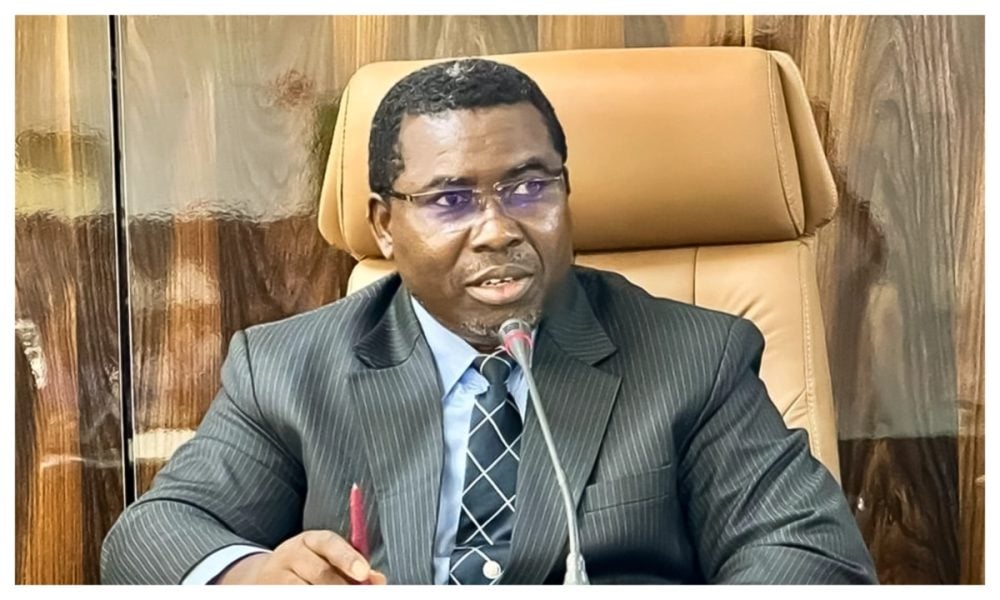
Speaking at a three-day workshop for Justices of the Court of Appeal and members of the 2027 Election Petition Tribunals in Abuja, INEC Chairman Prof Joash Amupitan said the credibility of the elections would depend not only on the conduct of the polls, but also on the ability of the judiciary to resolve disputes impartially and the willingness of political actors and their supporters to respect the rule of law.
He urged the judges to resist technicalities that could defeat substantive justice, maintain firm control of their courtrooms and allow the truth of the ballot to prevail.
The workshop was organised by the Court of Appeal with the theme “Election tribunal as a tool for political stability.”
The INEC chairman said the political stability of Nigeria after the 2027 elections would depend not only on how efficiently the commission conducted the polls, but also on how courageously, transparently and justly the tribunals adjudicated disputes arising from them. Nigerianews subscription
He described impartial electoral administration and fearless judicial adjudication as two indispensable pillars of constitutional democracy, adding that election tribunals serve as constitutional mechanisms for resolving political disagreements and preventing electoral disputes from degenerating into instability.
He said: “As you take your oaths, you carry the democratic aspirations of over 200 million Nigerians. The courtroom to which you are deployed is the altar upon which public confidence in constitutional governance is preserved.” Nigerianews subscription
Amupitan said electoral litigation has become increasingly complex, with disputes now involving voter accreditation, electronic transmission of results, technological failures and the integrity of digital records.
He warned that that the growing use of artificial intelligence to generate fake videos, cloned audio recordings and deepfakes, could introduce fabricated evidence into election litigation.
Amupitan urged the tribunals to apply rigorous evidentiary standards contained in Section 84 of the Evidence Act, stressing the importance of establishing the digital origin of electronic materials, maintaining forensic chain of custody and relying on certified data from INEC.
The INEC chair cautioned against treating technology as infallible or dismissing electronic evidence simply because of its digital nature, adding that the commission has issued the Regulations and Guidelines for the Conduct of Elections, 2026, to provide clearer operational standards against which allegations of non-compliance could be evaluated.
He urged judges to ensure consistency in their interpretation of electoral laws, warning that conflicting decisions on similar facts could create uncertainty and undermine confidence in the judicial system.
At a separate event for media executives in Enugu, the commission expressed concern over the growing use of the slogan “Rig and Die” in political discussions ahead of the 2027 elections, describing it as dangerous and capable of putting the lives of electoral officials, voters, party agents and observers at risk. FollowPolitics
National Commissioner and Chairman of the Information and Voter Education Committee, Mohammed Haruna, raised the concern at a forum for members of the Nigeria Union of Journalists (NUJ), the Nigerian Institute of Social Media Analysts (NISMA), Newspaper Proprietors Association of Nigeria (NPAN) and other media executives in Enugu.
Represented by the Resident Electoral Commissioner for Enugu State, Dr. Chukwuemeka Chukwu, Haruna said whatever the intention of those promoting the slogan, linking an electoral offence to death was dangerous.
He said people most exposed the consequences of such inflammatory language were not necessarily powerful politicians, but ordinary Nigerians serving as presiding officers, assistant presiding officers, collation officers and other temporary election workers. Nigerianews subscription
“A charged crowd can easily mistake a delayed result, a technical challenge or a rumour for rigging, and a mistake of that kind can never be undone,” he said.
The commissioner disclosed that electoral fraud was a criminal offence for which the Electoral Act 2026 prescribed penalties, adding that the appropriate response to suspected rigging was to pursue lawful remedies through observation, transparent result processes, formal complaints to INEC and security agencies, and, where necessary, the courts.
He also invoked Section 33 of the Constitution, which guarantees the right to life, warning that nobody should be subjected to violence on the basis of suspicion, saying “I therefore appeal to political leaders to retire such language, and to you in the media not to amplify it as a headline or hashtag.” FollowPolitics
The INEC commissioner cautioned reporters against sacrificing accuracy for speed, urging them to verify information before publication, clearly distinguish projections from official results and avoid presenting unofficial tallies as declared outcomes.
He said election results can only be officially declared by the commission through its Returning Officers, while calling for conflict-sensitive reporting, fair coverage of candidates and political parties, and prompt correction of errors.
Haruna identified vote buying as the most troubling feature of the Ekiti governorship election in June, while noting that false claims about ghost and hired voters, as well as AI-generated content, circulated on social media during the Osun election in August.
He said independent observers nevertheless found the declared results consistent with polling unit tallies.
He appealed to the media to help expose vote buying, counter disinformation and investigate the activities of fake accounts and the circulation of deepfakes, which could attract sanctions under the Cybercrimes Act.
Haruna called for increased voter education, particularly on PVC collection and participation.
ADC demands fairness
But the African Democratic Congress (ADC) accused the electoral body of selective condemnation of threats to electoral violence.
The ADC, through its National Publicity Secretary, Bolaji Abdullahi, questioned why the Commission condemned the “rig and die” slogan but kept quiet over remarks attributed to a leader of the All Progressives Congress (APC) in Edo State. AccessServices
According to the ADC, the APC leader threatened to use AK-47 rifles against whoever refuses to vote for President Bola Ahmed Tinubu.
The party said INEC’s condemnation of inflammatory political language was appropriate but should not suggest that the Commission was only concerned when the ruling party was the target.
“Why has INEC found its voice to condemn ‘rig and die’ but remained conspicuously silent on the threat by an APC chairman to use AK-47 rifles against opposition voters?
“Is a slogan more dangerous than a gun? Or does the identity of the person making the threat determine what INEC considers electoral violence?” Abdullahi said in the statement
The ADC also questioned whether INEC had referred the alleged threat to security agencies, insisting that the Commission must demonstrate impartiality in addressing all forms of electoral violence.
It said it rejected electoral violence regardless of whether threats came from opposition supporters or ruling party officials, adding that INEC must ensure that Nigerians could vote freely without intimidation. Nigerianews subscription
“INEC cannot demand peaceful elections without demonstrating equal concern for those threatened with violence. Its responsibility is not merely to condemn inflammatory language, but to demand an environment that permits every Nigerian to vote freely,” the party said.