

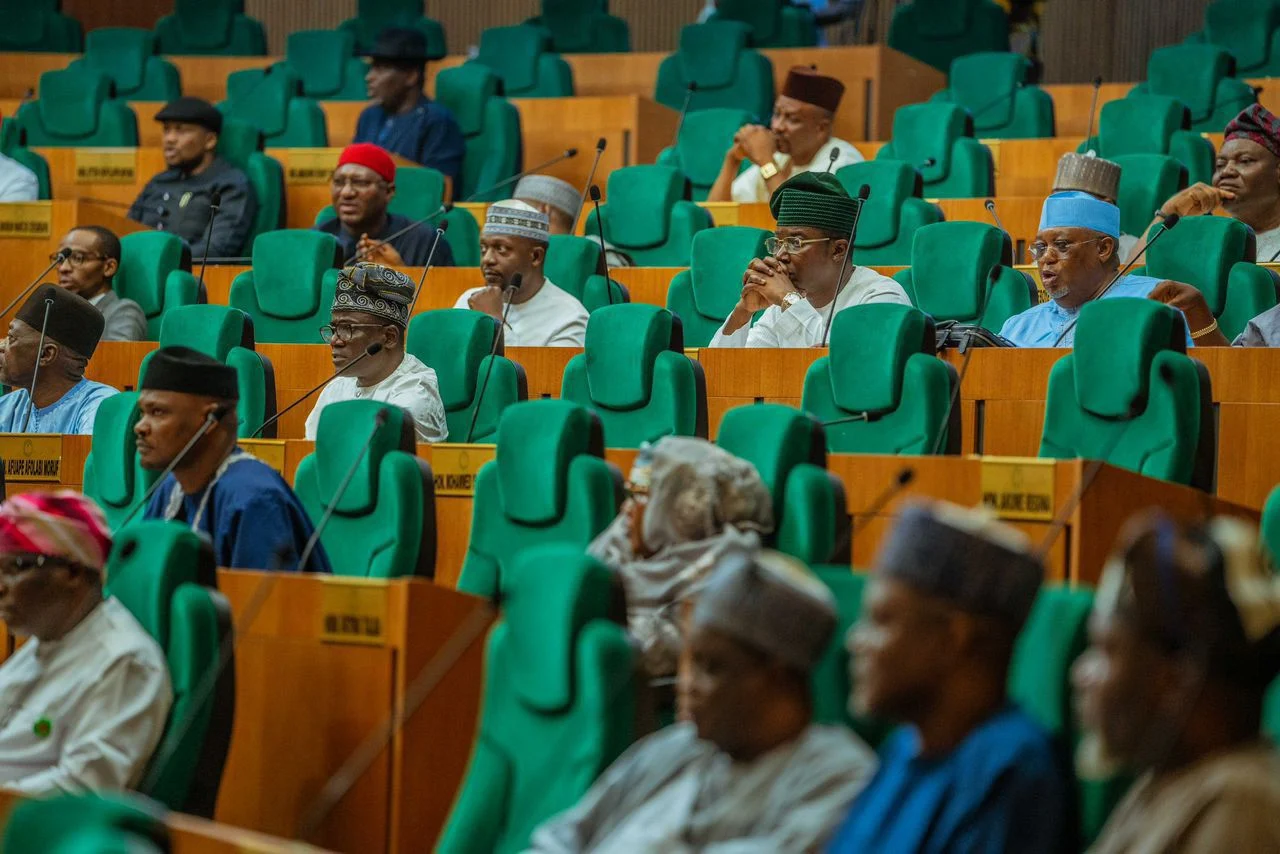
In a bid to ensure the well-being of the citizenry, the House of Representatives is probing into the environmental pollution caused by the illegal disposal of used batteries across the country.
The move initiated by the House Committee on Environment chaired by Hon. Mike Etaba is part of the lawmakers oversight role to ensure compliance with environmental laws and address growing concerns over hazardous waste management. Improper disposal, unlawful auctioning, and indiscriminate dumping of used batteries.
The menace have been identified as serious threats to soil, water bodies, air quality, and public health, particularly in communities where informal recycling and unsafe handling practices are common.
The investigative panel of the committee chaired by Hon. Terseer Ugbo is tasked with assessing compliance by both public and private sector organizations with existing regulations governing the handling, storage, transportation, and disposal of used batteries.
The Committee stressed that accountability and strict enforcement are crucial to preventing further environmental damage.
Key environmental laws to be examined by the Sub-Committee include the Environmental Impact Assessment (EIA) Act, the National Environmental (Battery Control) Regulations 2024 under the National Environmental Standards and Regulations Enforcement Agency (NESREA), and the Harmful Waste (Special Criminal Provisions) Act.
Etaba explained that these laws explicitly prohibit unlawful dumping and improper disposal of hazardous waste.
The Ugbor led Sub-Committee has a six-week timeframe to complete its investigation and submit a report for further legislative action.
Etaba, expressed confidence in the Sub-Committee’s ability to deliver on its mandate just as he reaffirmed the Committee’s commitment to strengthening environmental governance, enforcing compliance, and safeguarding Nigerians from the dangers of hazardous waste pollution.
“Environmental protection remains a national priority, and we assure stakeholders of transparent and thorough investigative proceedings,” Etaba stated.