
The House of Representatives Public Accounts Committee on Tuesday stepped up its investigation into revenue remittances by federal agencies, directing the Office of the Accountant-General of the Federation to submit a detailed account of outstanding operating surplus and other revenues allegedly owed to the Federal Government by the Central Bank of Nigeria, the Nigerian National Petroleum Company Limited and other government-owned enterprises.
The committee also demanded explanations over allegations that the OAGF deducted funds from the statutory accounts of several Ministries, Departments and Agencies, including the reported withdrawal of N15bn from the Universal Basic Education Commission, raising concerns that the practice may have hampered the agencies’ ability to carry out their statutory mandates.
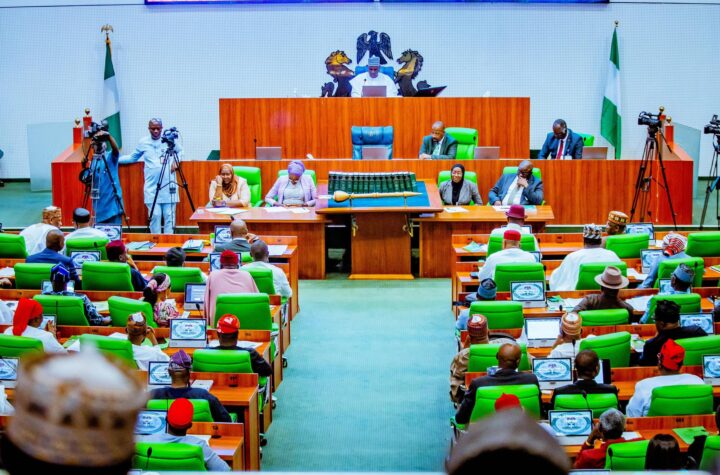
The directives were issued during an investigative hearing at the National Assembly, where the AGF, Shamseldeen Ogunjimi, appeared alongside senior officials of the Treasury.
The hearing forms part of the committee’s broader oversight of public finances and compliance with the Fiscal Responsibility Act, which requires government-owned enterprises to remit a prescribed percentage of their operating surplus to the Consolidated Revenue Fund.
The operating surplus regime is intended to strengthen government revenues and curb leakages, but compliance has remained a recurring concern, with several agencies accused over the years of either under-remitting or failing to remit altogether.
Opening the discussion, a member of the committee, Gboyega Isiaka, expressed concern over Nigeria’s weak revenue performance, arguing that poor remittance compliance continued to undermine the country’s fiscal position.
Addressing the nation’s top accountant, the lawmaker said, “Considering our GDP, ours is one of the lowest on the continent, at about 16 per cent. Business entities are expected to return about 80 per cent of their operating surplus, while others remit between 20 and 50 per cent.