
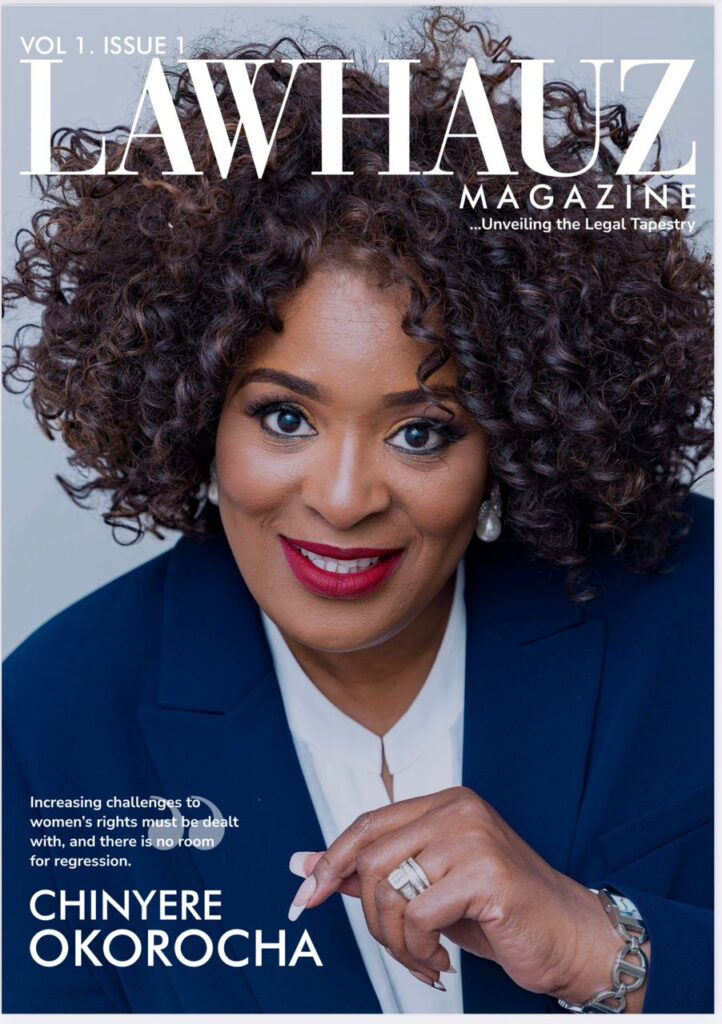


By Ifeoma Ben, LLM, MBA
Nigeria’s media landscape is evolving rapidly, and one of the most significant developments in recent years has been the rise of podcasting and digital broadcasting. From business and entertainment to politics, law, lifestyle, and social commentary, podcasts have become a powerful medium for storytelling, education, and audience engagement. At the same time, creators are increasingly exploring monetisation opportunities through sponsorships, advertising, subscriptions, and content licensing.
As the audio content market continues to expand, so does the need for legal guidance. For lawyers, podcasting and digital broadcasting present a growing practice area with opportunities to advise creators, media companies, brands, and digital platforms on a wide range of commercial and regulatory issues.
The Business of Podcasting and Digital Broadcasting
What began as a creative outlet for many content creators has evolved into a commercial enterprise. Successful podcasts now attract large audiences, corporate sponsorships, and partnerships with media platforms. Some creators have transformed their shows into thriving businesses with multiple revenue streams.
As podcasts become commercial ventures, legal considerations become increasingly important. Ownership rights, content licensing, sponsorship arrangements, and intellectual property protection all require careful legal structuring.
This creates opportunities for lawyers to become trusted advisers to creators and media businesses seeking to build sustainable brands.
Licensing and Content Rights Management
Every podcast episode contains intellectual property. This may include original scripts, interviews, music, sound effects, artwork, and recorded content. Without proper rights management, creators may face disputes over ownership or allegations of infringement.
Lawyers assist podcasters and digital broadcasters in protecting their intellectual property through copyright registration, licensing arrangements, and rights clearance processes. They also advise on obtaining permission to use third party content and ensure that creators retain appropriate ownership of their work.
As content distribution expands across multiple platforms, effective licensing strategies become increasingly important.
Sponsorship Agreements and Commercial Partnerships
Sponsorships have become one of the most common revenue sources for podcasters. Brands are increasingly partnering with creators to reach engaged and targeted audiences.
Lawyers play a crucial role in drafting sponsorship agreements that clearly define deliverables, payment structures, exclusivity arrangements, advertising obligations, and termination rights. They also advise clients on managing reputational risks and ensuring that contractual obligations are realistic and enforceable.
For lawyers, sponsorship advisory work offers recurring opportunities as creators regularly negotiate new commercial partnerships.
Structuring Monetisation Models
Content creators are increasingly exploring different methods of generating revenue. These include advertising, premium subscriptions, membership programmes, live events, merchandise sales, and content syndication.
Lawyers can advise on the legal structures supporting these revenue streams, ensuring that contracts, licensing arrangements, and payment mechanisms are properly documented. They also help clients understand tax implications, revenue sharing arrangements, and contractual risks associated with monetisation initiatives.
By helping creators establish sound commercial structures, lawyers contribute directly to the growth of their businesses.
Managing Legal Risks in Digital Content
Podcasting and digital broadcasting carry legal risks that extend beyond intellectual property concerns. Defamation, privacy violations, misleading advertising, and unauthorised use of content can expose creators to liability.
Lawyers help clients identify and mitigate these risks through content review processes, legal policies, and compliance guidance. They also advise on dispute resolution strategies where conflicts arise.
This proactive role positions lawyers as valuable partners in content creation rather than simply advisers engaged after problems occur.
Building a Specialist Media Law Practice
The growth of Nigeria’s audio content market presents significant opportunities for lawyers seeking to build specialist media practices. Podcasters, production studios, digital broadcasters, advertising agencies, and sponsors all require legal support.
Young lawyers can begin by assisting with contract drafting, intellectual property protection, and sponsorship reviews. Over time, they can develop expertise in media transactions, content licensing, and commercial advisory services.
Law firms can also establish dedicated media and entertainment practice groups focused on supporting creators and digital content businesses.
Conclusion
Podcasting and digital broadcasting are reshaping Nigeria’s media landscape and creating new opportunities for content creators and businesses alike. As the industry becomes more commercialised, legal support will become increasingly important in protecting rights, structuring partnerships, and enabling sustainable monetisation.
For lawyers, this represents a growing and profitable practice area. By advising podcasters, digital broadcasters, and creators on licensing, sponsorships, intellectual property protection, and monetisation strategies, legal professionals can position themselves at the centre of Nigeria’s expanding digital media economy.