

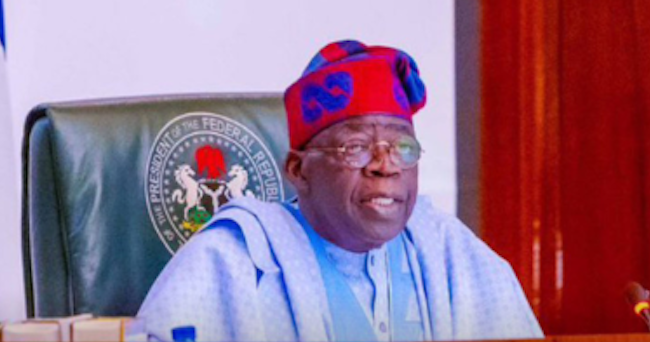
President Bola Ahmed Tinubu on Monday said Nigeria’s aviation sector remains one of Africa’s most viable and under-exploited markets, urging both local and foreign investors to use emerging opportunities across the industry.
Speaking at the opening of the 2025 FAAN National Aviation Conference (FNAC) in Lagos, the President, represented by the Secretary to the Government of the Federation (SGF), Senator George Akume, said current market fundamentals place Nigeria at the centre of the continent’s future growth in air transport.
According to a statement issued by the Special Adviser to the SGF on media and publicity, Mr Yomi Odunuga, the President said, “The opportunities abound because Nigeria’s aviation industry remains one of the most viable and under-exploited markets in Africa.
“With over 220 million people, a strategic geographic position, fast-growing travel demand and a $1.7 trillion AfCFTA-driven regional market, this sector offers real, ready and bankable opportunities for investors”, he said.
He noted that the nation’s expanding population, increasing travel demand and unique geographic location have combined to make this “the best time” to invest in aviation.
President Tinubu highlighted cargo operations, maintenance, repair and overhaul (MRO) services, aircraft leasing, charter operations and aviation-linked real estate as priority areas capable of attracting significant private-sector participation.
Reaffirming his administration’s commitment to simplifying regulatory processes, promoting transparency and offering incentives across critical aviation value chains, the President said government policy is focused on building a globally competitive aviation ecosystem driven by innovation, safety and private-sector investment.
He said the conference theme, “Elevating the Nigerian Aviation Industry through Investment, Partnership and Global Engagements,” aligns squarely with his Renewed Hope Agenda, under which the administration has commissioned new international terminals in Lagos and Port Harcourt, rehabilitated major airports in Abuja, Enugu and Kano, strengthened regulatory oversight, expanded cargo and MRO facilities, and advanced work on a transparent framework for a national carrier.
The President also identified emerging opportunities expected to shape the sector in the coming decade.
These include aviation cargo and agro-export corridors, expanded MRO capacity to curb capital flight, development of smart and green airports powered by renewable energy, and upgraded aviation training through decentralised NCAT centres.
He restated his administration’s commitment to aviation safety, operational efficiency, environmental sustainability and full compliance with international standards, adding that upcoming civil aviation policy reforms will modernise airport operations, enhance passenger experience and boost investor confidence.
President Tinubu commended the Minister of Aviation, the Federal Airports Authority of Nigeria (FAAN) and sector agencies for what he described as purposeful leadership and steady progress.
He urged participants to sustain the momentum and deepen collaboration to strengthen the aviation industry.
“The future of Nigerian aviation is bright and full of promise. Together—government, private sector and international partners—we shall build a safer, stronger and more globally connected aviation industry,” he said.
The President formally declared the 2025 FAAN National Aviation Conference open, calling on stakeholders to continue working together to “keep Nigeria flying higher.”