


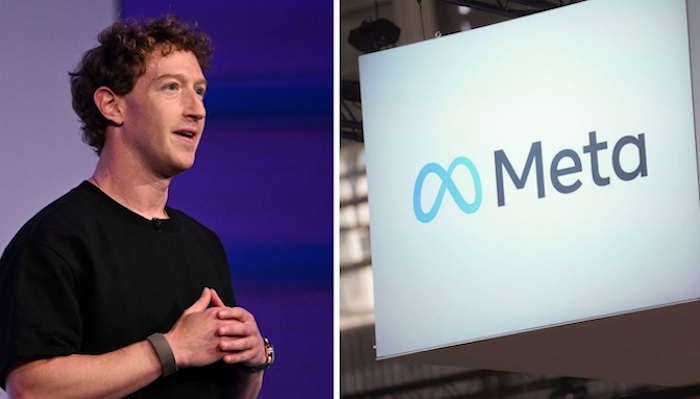
A New Mexico court has imposed a $567 million penalty on Meta over child safety failures, ruling that the company’s social media platforms endangered young users and ordering sweeping reforms to strengthen protections across Facebook and Instagram.
The decision, delivered by District Judge Bryan Biedscheid in Santa Fe, found that Meta’s platform design constituted a public nuisance under New Mexico law. The court sided with Attorney General Raúl Torrez, who argued that the company knowingly developed features that encouraged excessive engagement among minors while failing to adequately protect them from online exploitation.
The ruling follows an earlier jury verdict that ordered Meta to pay $375 million after jurors found the company had violated consumer protection laws by overstating the safety of Facebook and Instagram for teenagers.
The case is one of several legal challenges confronting major social media companies over allegations that their platforms contribute to declining youth mental health and expose children to online harm. More than 40 US states and over 1,300 school districts have filed similar lawsuits seeking financial damages and court-ordered reforms.
As part of the judgment, the court directed Meta to implement a series of youth safety measures over the next five years. These include limiting teenagers’ monthly use of Facebook and Instagram, restricting notifications, strengthening safeguards governing interactions between adults and minors, introducing tighter protections for artificial intelligence chatbots, and improving the company’s response to reports of child sexual abuse.
Judge Biedscheid also ordered Meta to prevent children in New Mexico from engaging in romantic or sexually explicit conversations with the company’s AI chatbots. The ruling further prohibits adults in the state from using the technology to create or discuss sexualised interactions involving minors.
Meta said it would appeal the ruling, maintaining that it has invested heavily in protecting young users and removing harmful content from its platforms. The company insisted it would continue to challenge allegations that it believes do not accurately reflect its efforts to improve online safety.
Attorney General Torrez described the judgment as a landmark victory for child safety, saying it demonstrates that technology companies can be held accountable when their products place young users at risk. He added that the decision could provide a legal blueprint for other states pursuing similar action.
During the trial, Meta argued that it could not be held liable under public nuisance laws because its platforms do not interfere with a public right in the traditional legal sense. The company also cited Section 230 of the Communications Decency Act, which generally shields online platforms from liability for user-generated content. However, the court rejected that defence, ruling that the lawsuit challenged Meta’s platform design and safety features rather than content posted by users.
While the judge ordered several significant reforms, he declined to require changes to some of Meta’s core platform features, including recommendation algorithms, autoplay and infinite scroll, citing constitutional concerns and the potential impact on the company’s legal rights and competitive position.
The decision comes as Meta prepares to face another major legal battle in California, where 29 states accuse the company of designing Facebook and Instagram to foster addiction among children while misleading users about the platforms’ safety. The company is also defending a separate lawsuit in Tennessee as legal and regulatory scrutiny of social media firms continues to intensify.