


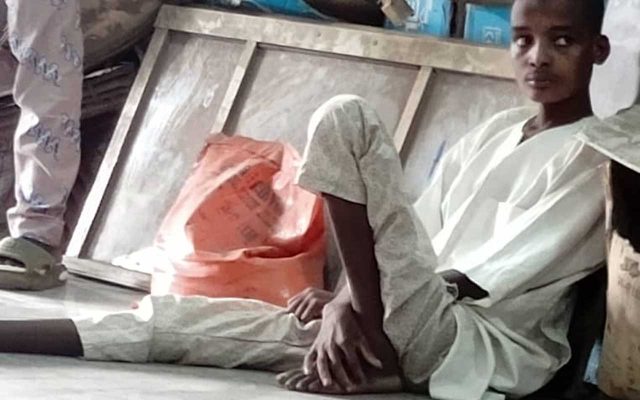
A 23-year-old awaiting trial inmate, Mohammed Bello, died few weeks ago in deeply troubling circumstances that have reignited concerns over the chronic neglect within Nigeria’s correctional system.
Bello was one of four defendants in a case involving alleged conspiracy, willful damage, and theft of train tracks (Charge No: MIK/TA/45/2024 – COP vs Samaila Sanni & 3 Others). First arraigned on August 19, 2024, without legal representation, Bello’s situation improved somewhat in November 2024 when the National Association of Catholic Lawyers, Lagos Archdiocese (NACL Lagos), took up his defense pro bono.
However, despite legal support, Bello’s right to a fair and timely trial was repeatedly denied. The case suffered multiple adjournments due to the consistent absence of prosecution witnesses, causing significant delays in proceedings.
On January 23, 2025, Bello was notably absent from court, a development his lawyers only later learned was due to his deteriorating health while in custody. By March 24, the young man appeared in court in a critical state. Emaciated, breathless, and unable to walk unaided, Bello was carried into the courtroom by his co-defendants. Once again, with prosecution witnesses absent, the court struck out the case for lack of diligent prosecution.
Sadly, the end of his legal ordeal came too late. The NACL Lagos legal team acted quickly, attempting to secure emergency medical care. Bello was rejected by two hospitals that cited a lack of emergency and isolation facilities, as his symptoms indicated a potential case of tuberculosis. He was eventually admitted to the Lagos State Infectious Diseases Hospital in Yaba, where the legal team provided essential consumables, including oxygen. Despite these efforts, he died while on oxygen support.
Bello’s death sheds light on a grim reality in Nigeria’s prisons, where access to healthcare is often determined by an inmate’s financial status. His story echoes that of Ukeme Monday, another detainee who died in similar circumstances in December 2024. Such tragedies, according to NACL Lagos, are far from isolated incidents—they reflect a pattern of institutional neglect and systemic failure.
Florence Atuluku Esq., President, National Association of Catholic Lawyers, Lagos Archdiocese.
“This is a tragedy that never should have happened,” said Florence Atuluku, Esq., President of NACL Lagos. “Mohammed Bello’s death is a devastating reminder of the urgent need to reform our justice and correctional systems. No one should die because they are too poor to access healthcare or too forgotten to receive justice.”
Dr. Olubunmi Tunji-Ojo, Interior Minister
Legal professionals and human rights advocates are calling for an independent investigation into the state of healthcare in correctional facilities and the structural delays plaguing the justice system.
Sylvester Nwakuche, Controller General, Nigerian Correctional Services.
Bello’s death, they argue, should not be in vain. It must serve as a catalyst for meaningful change because until reform comes, more lives remain at risk behind bars.