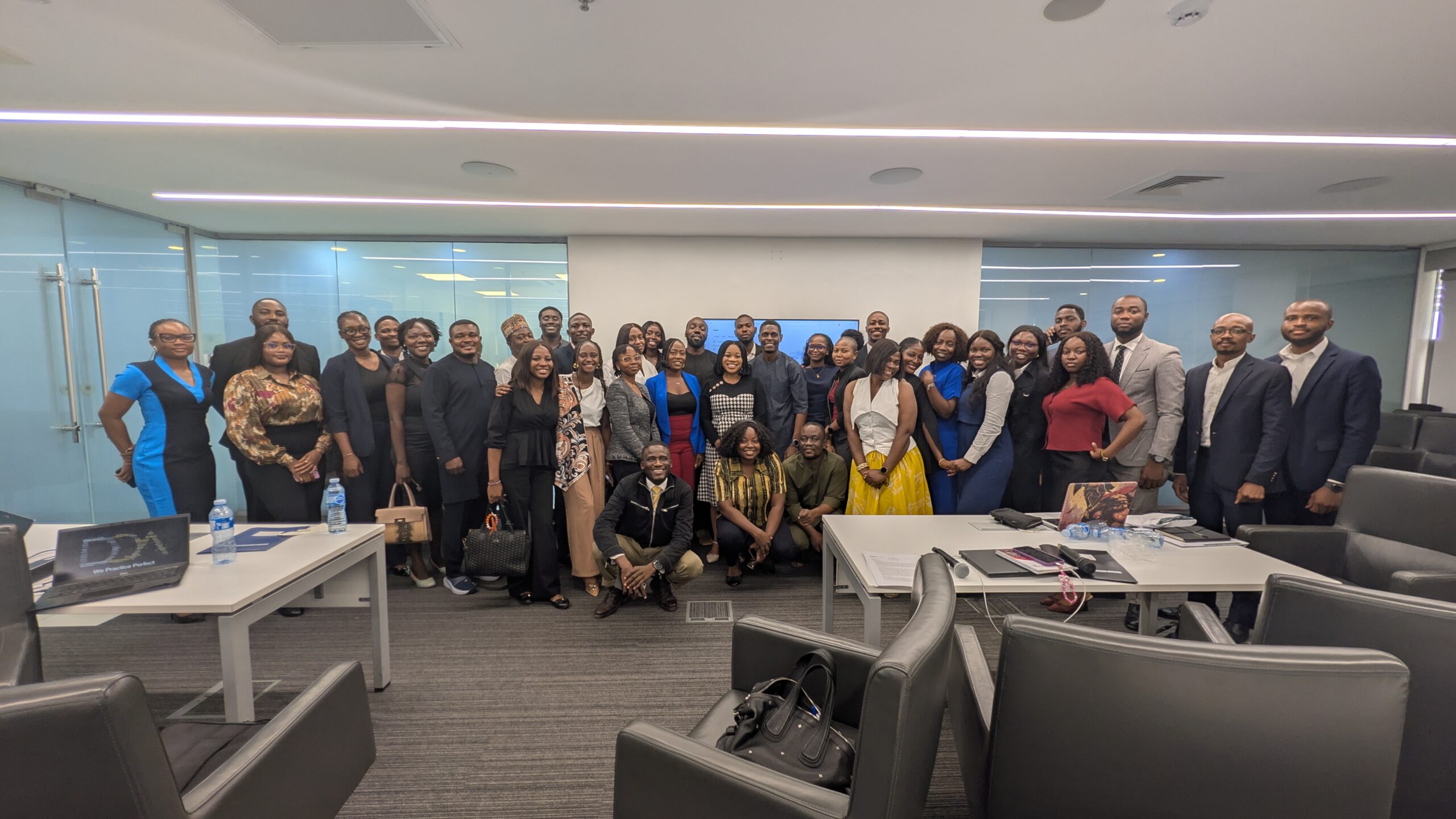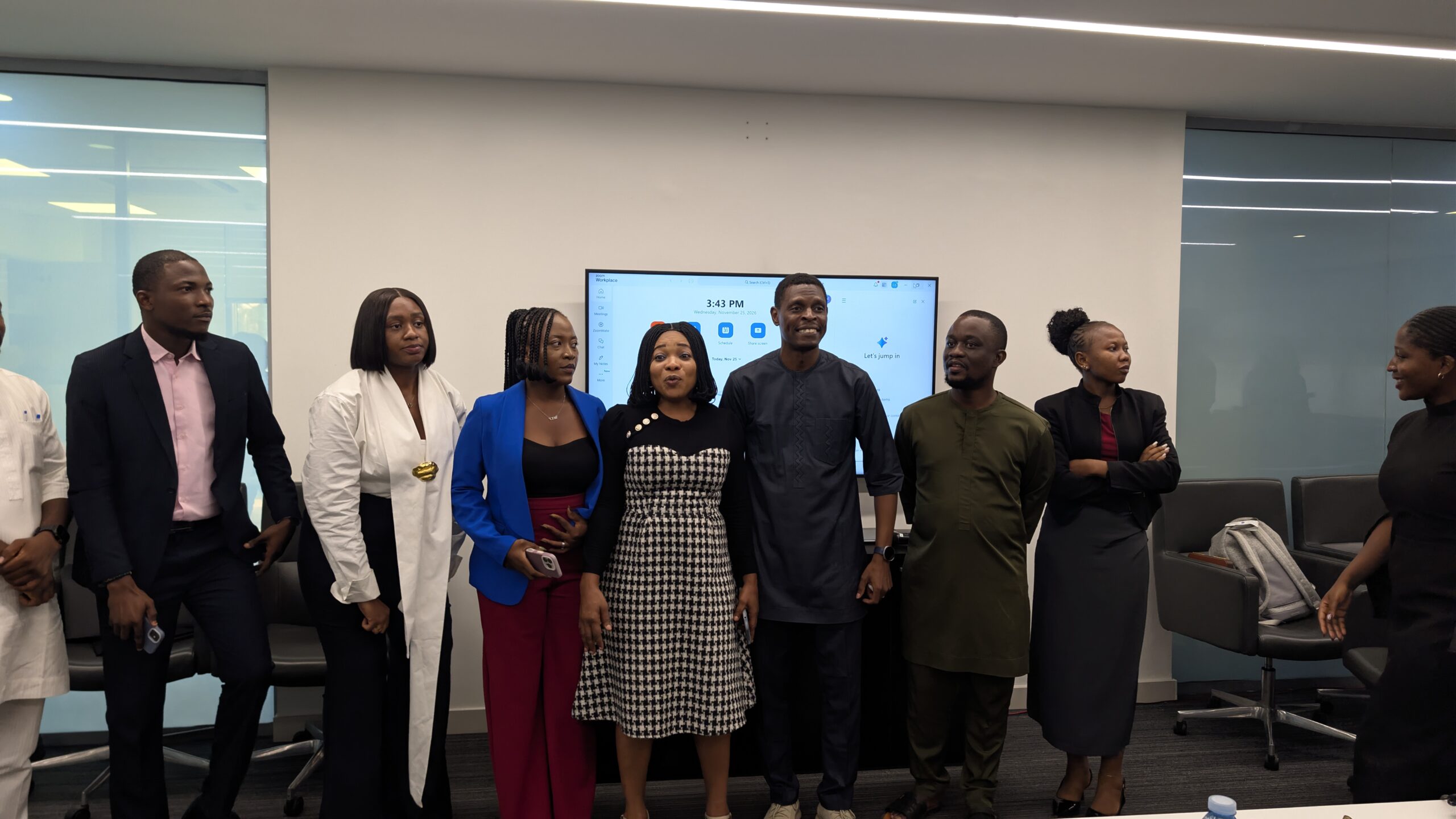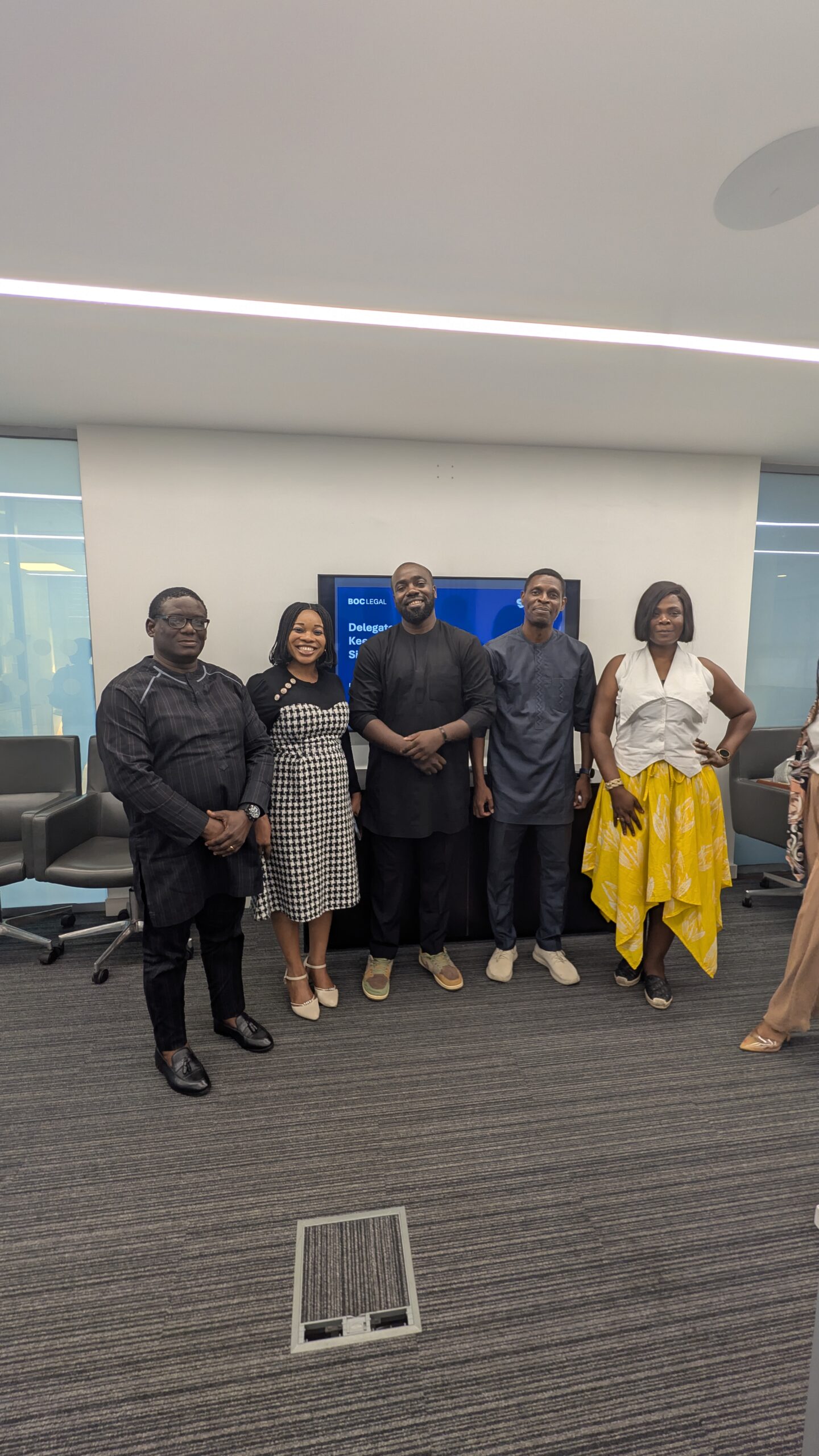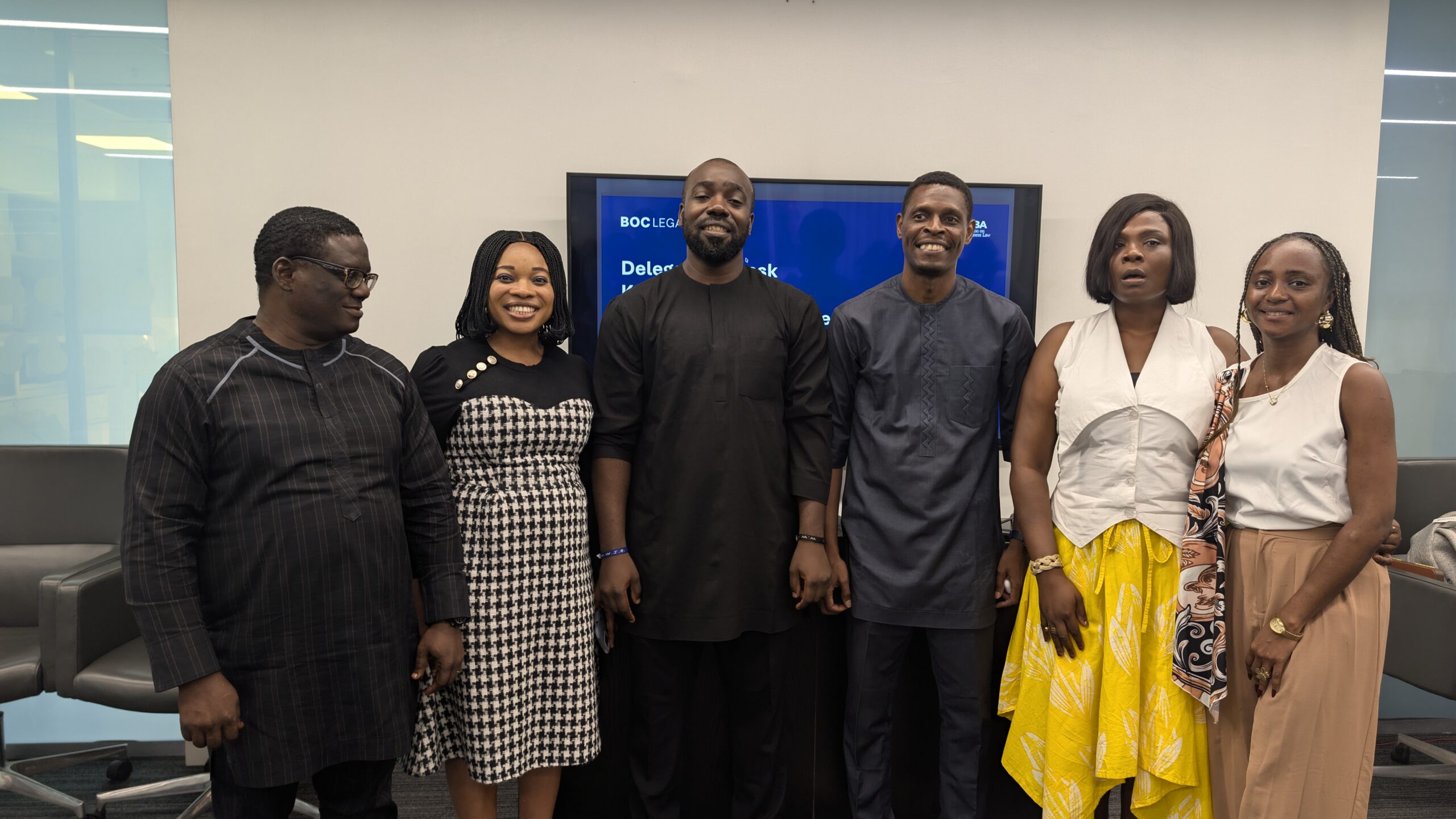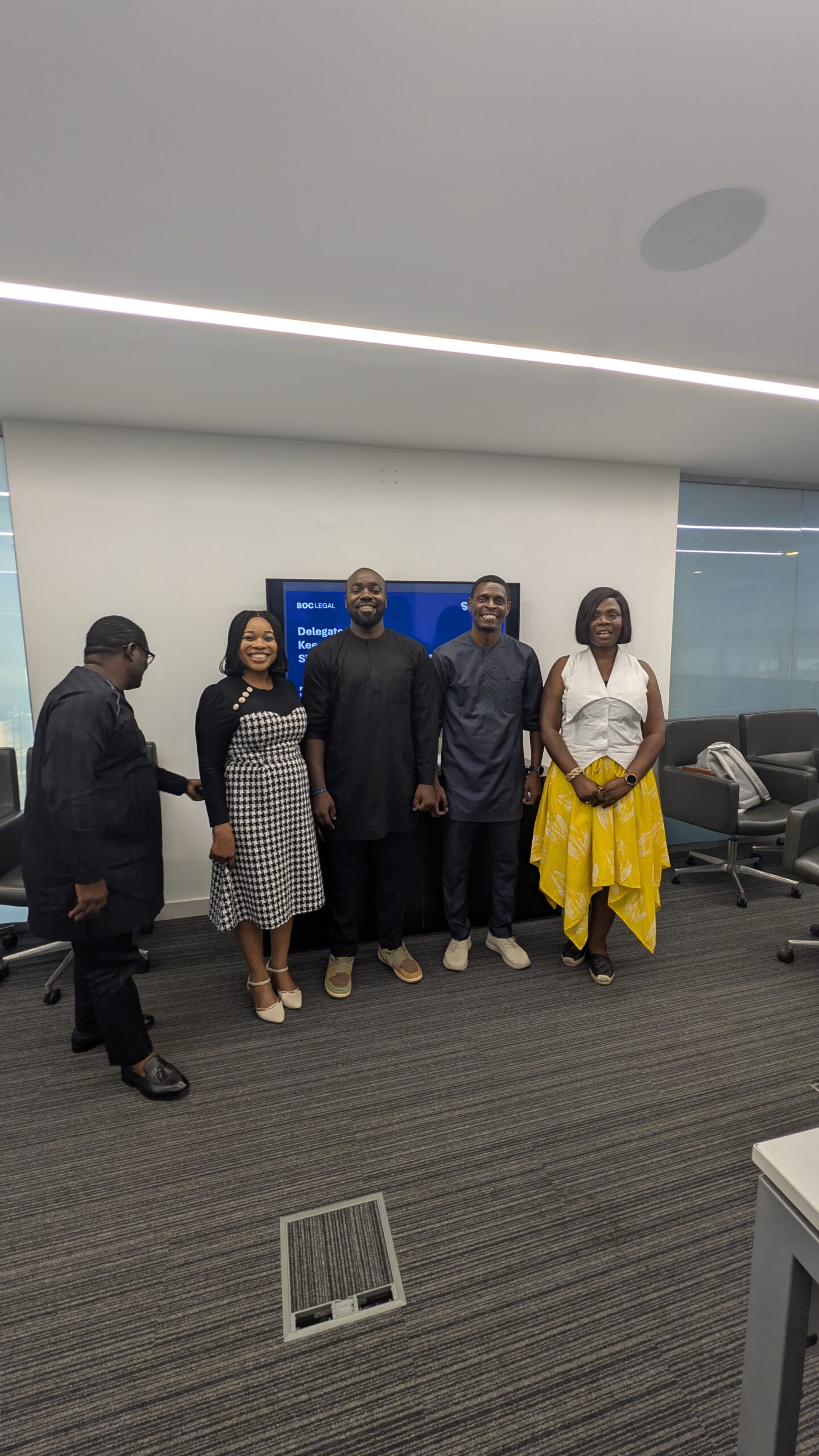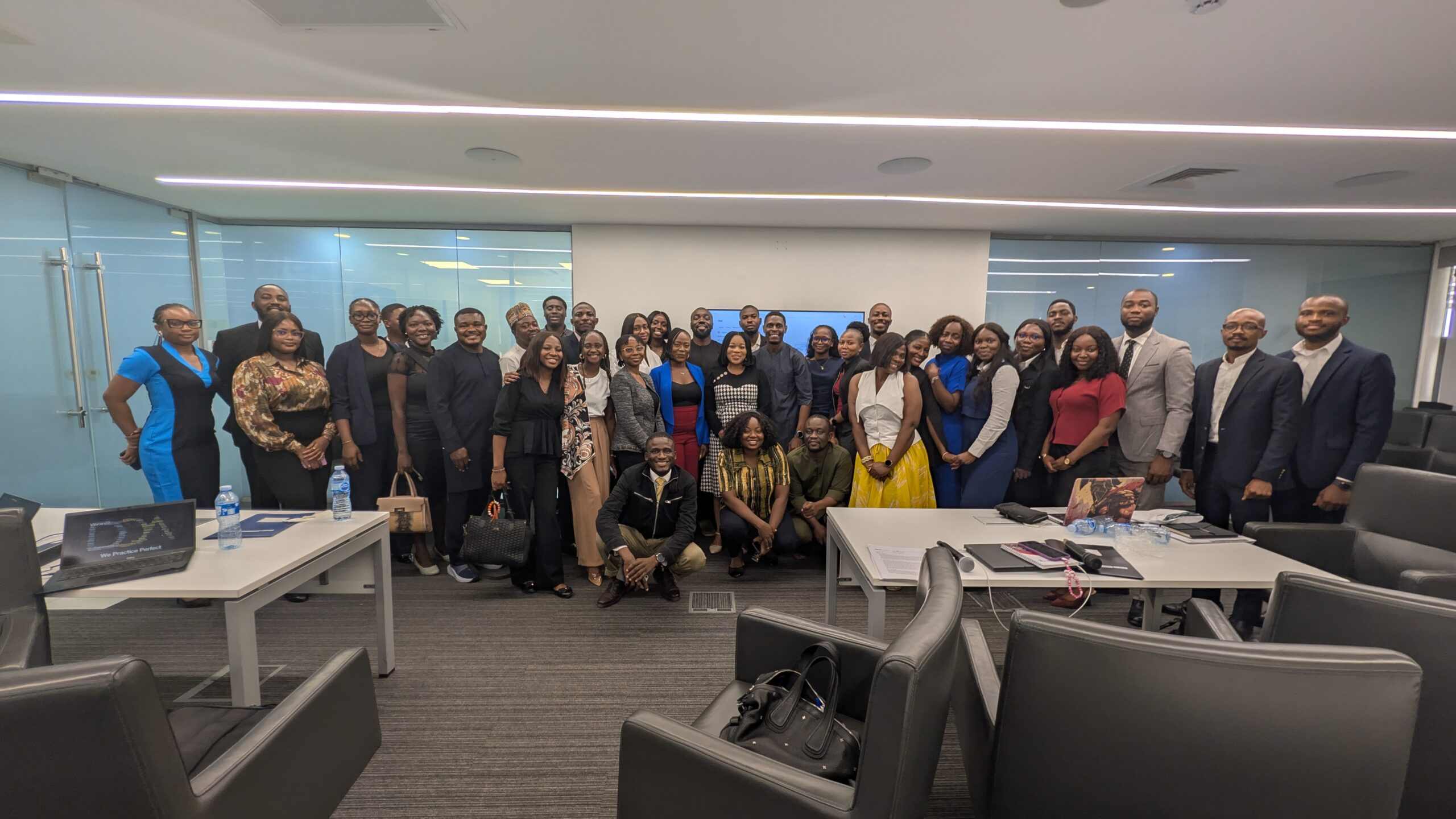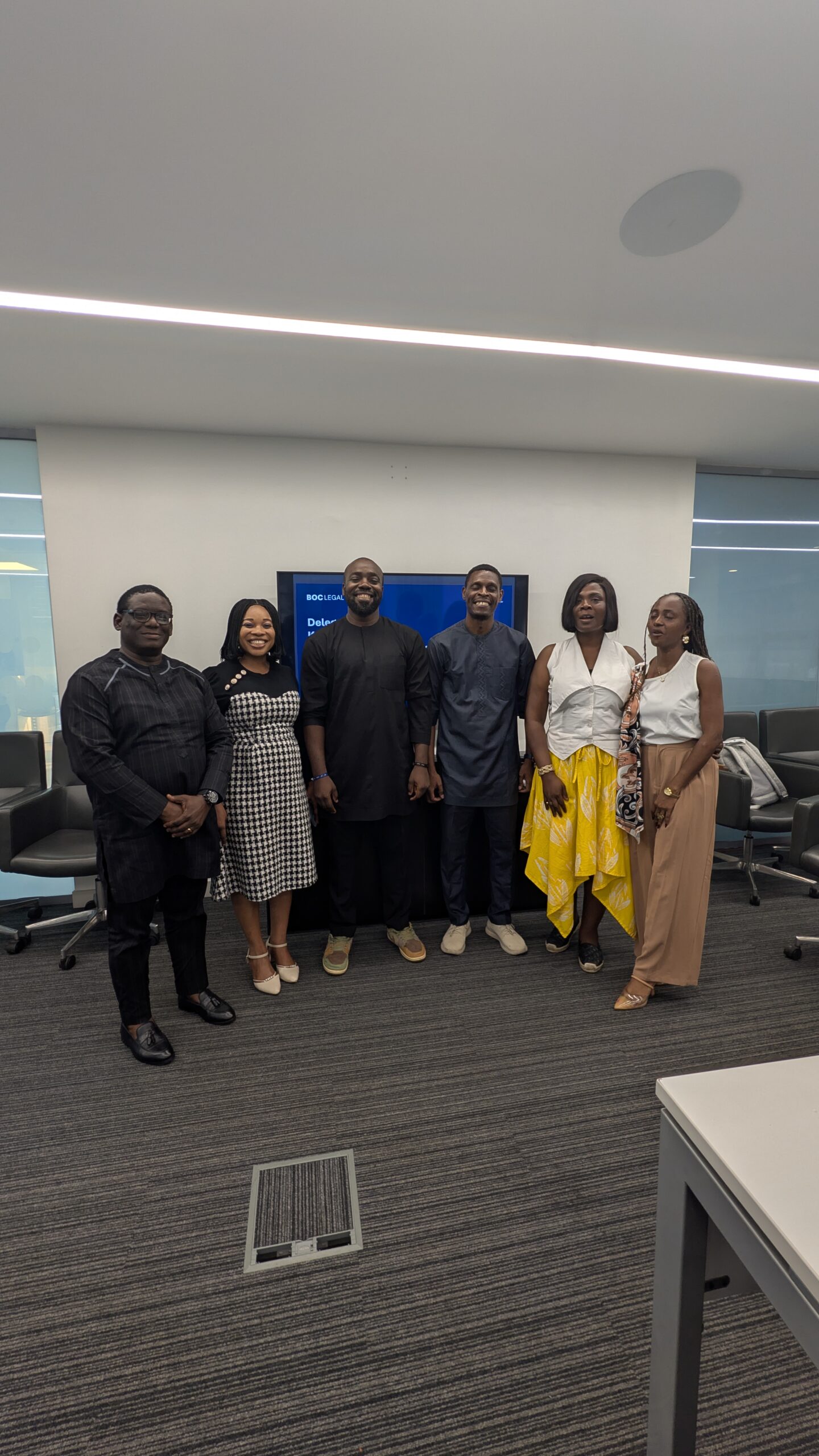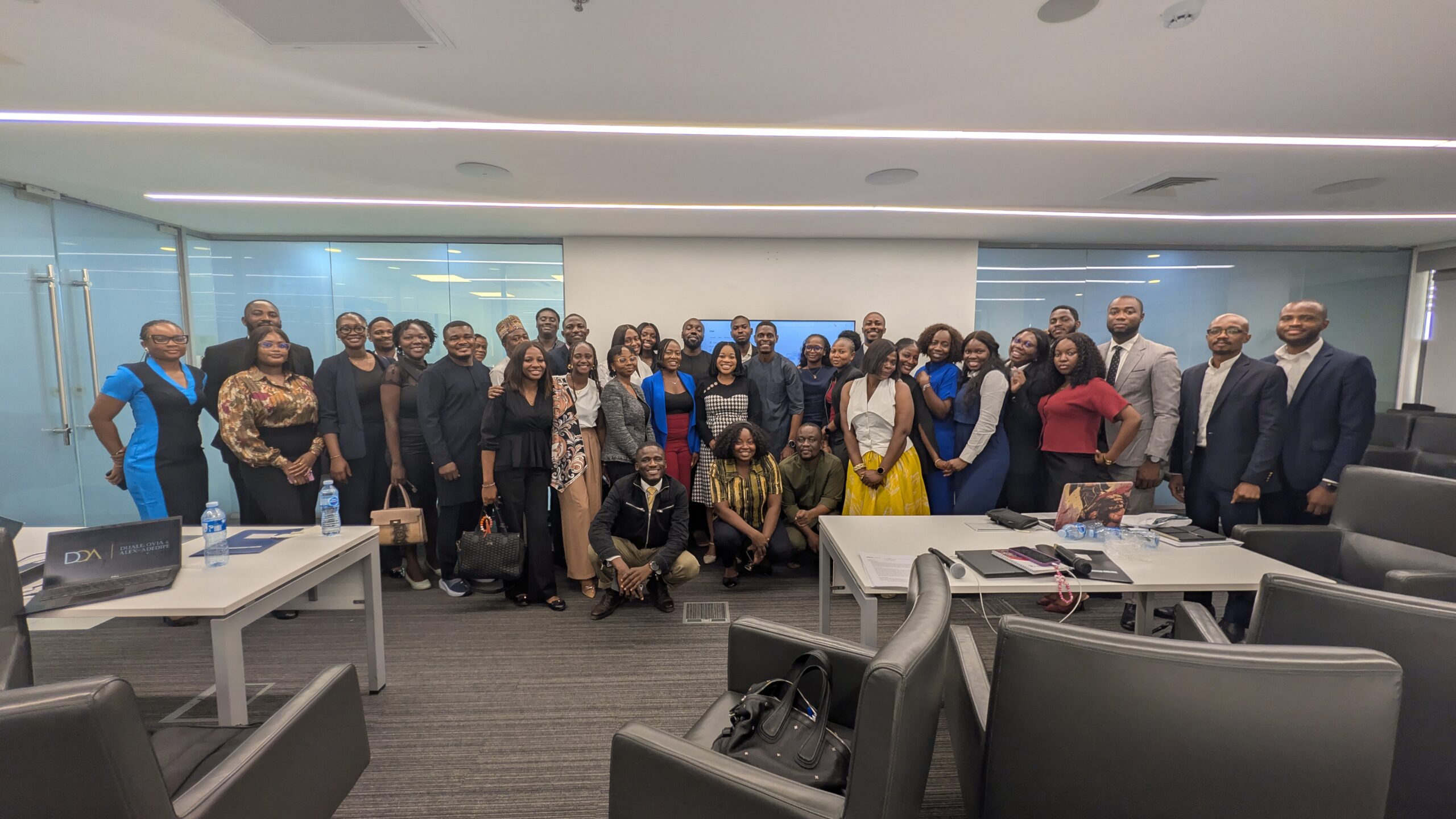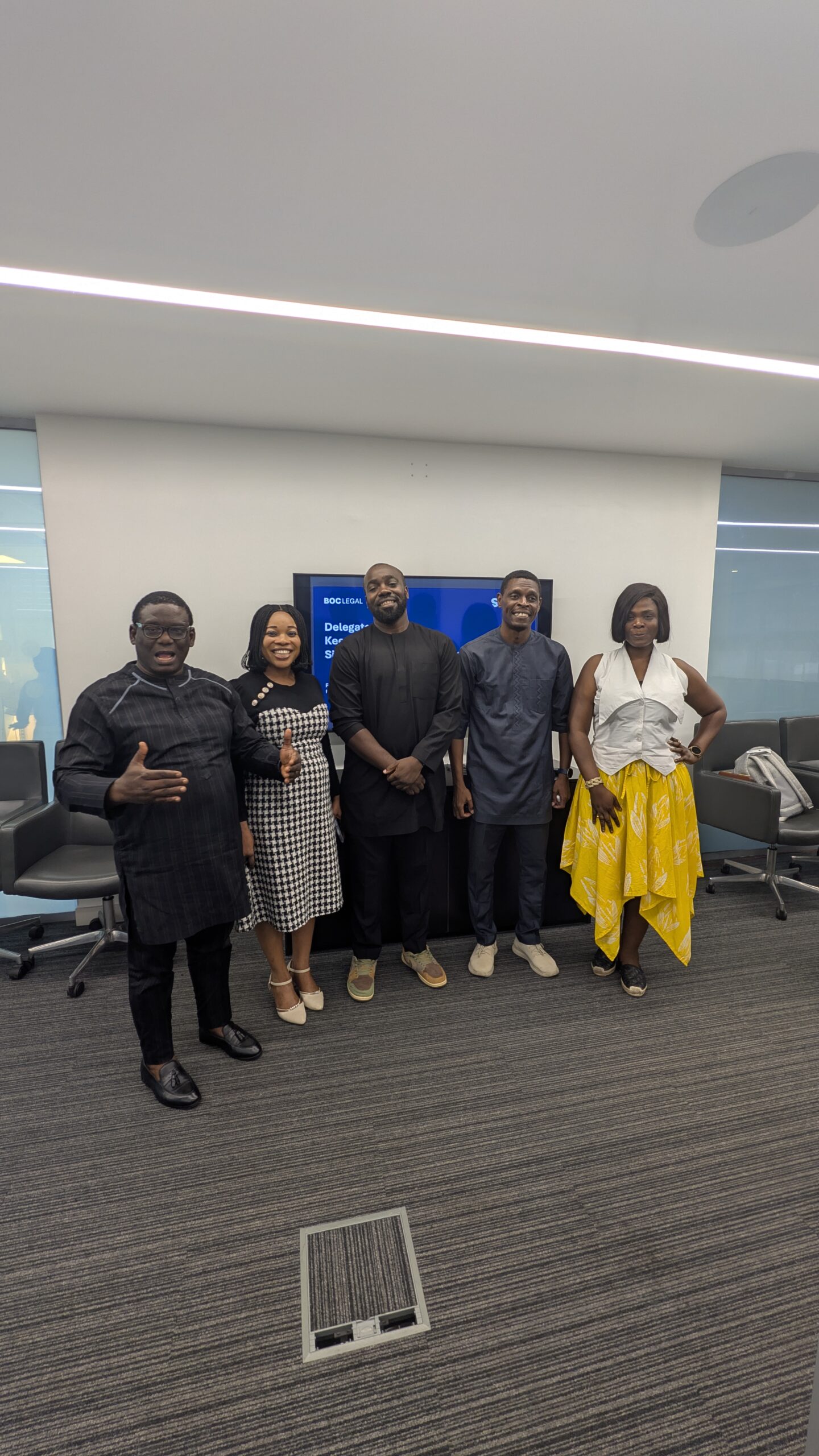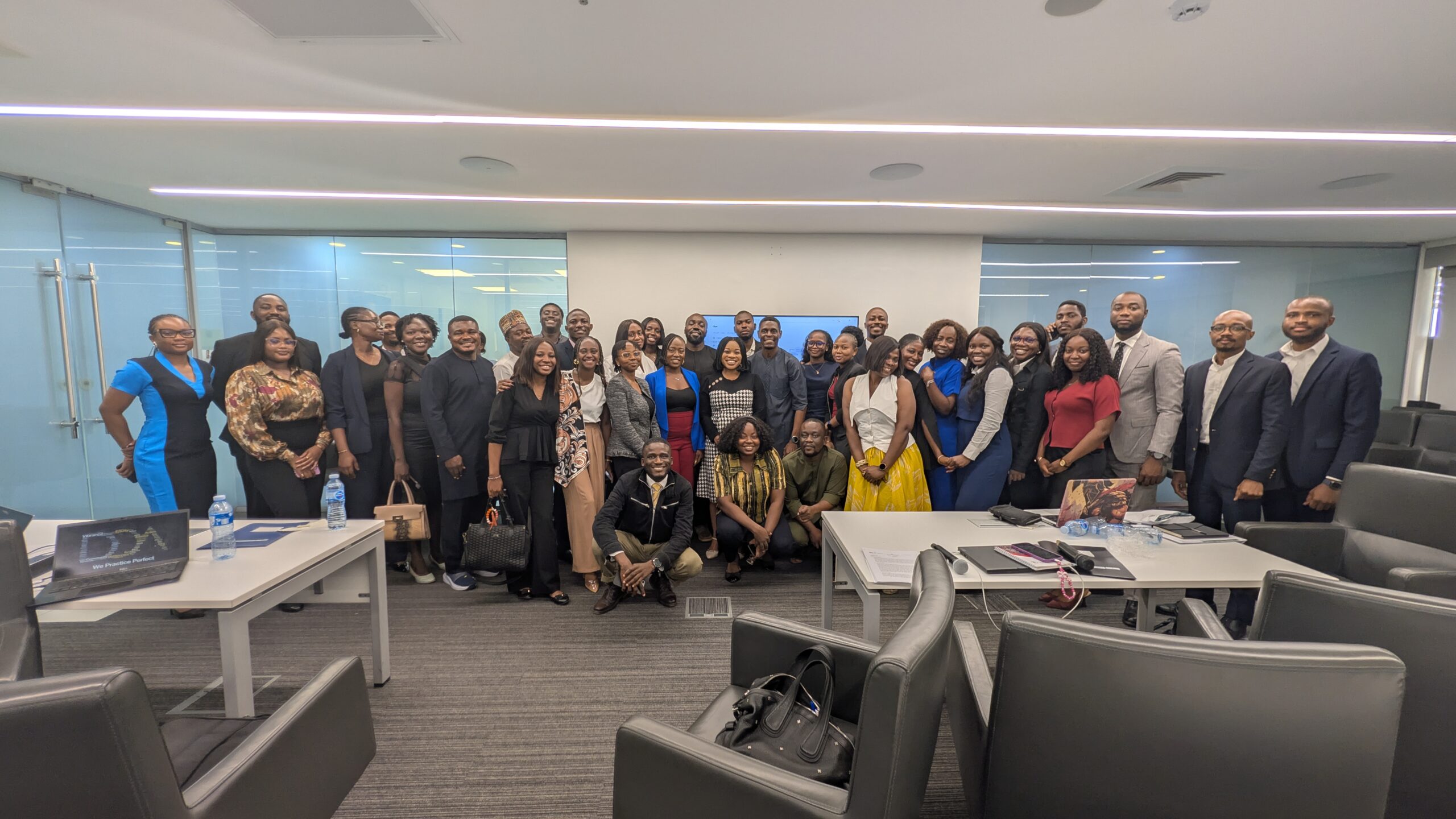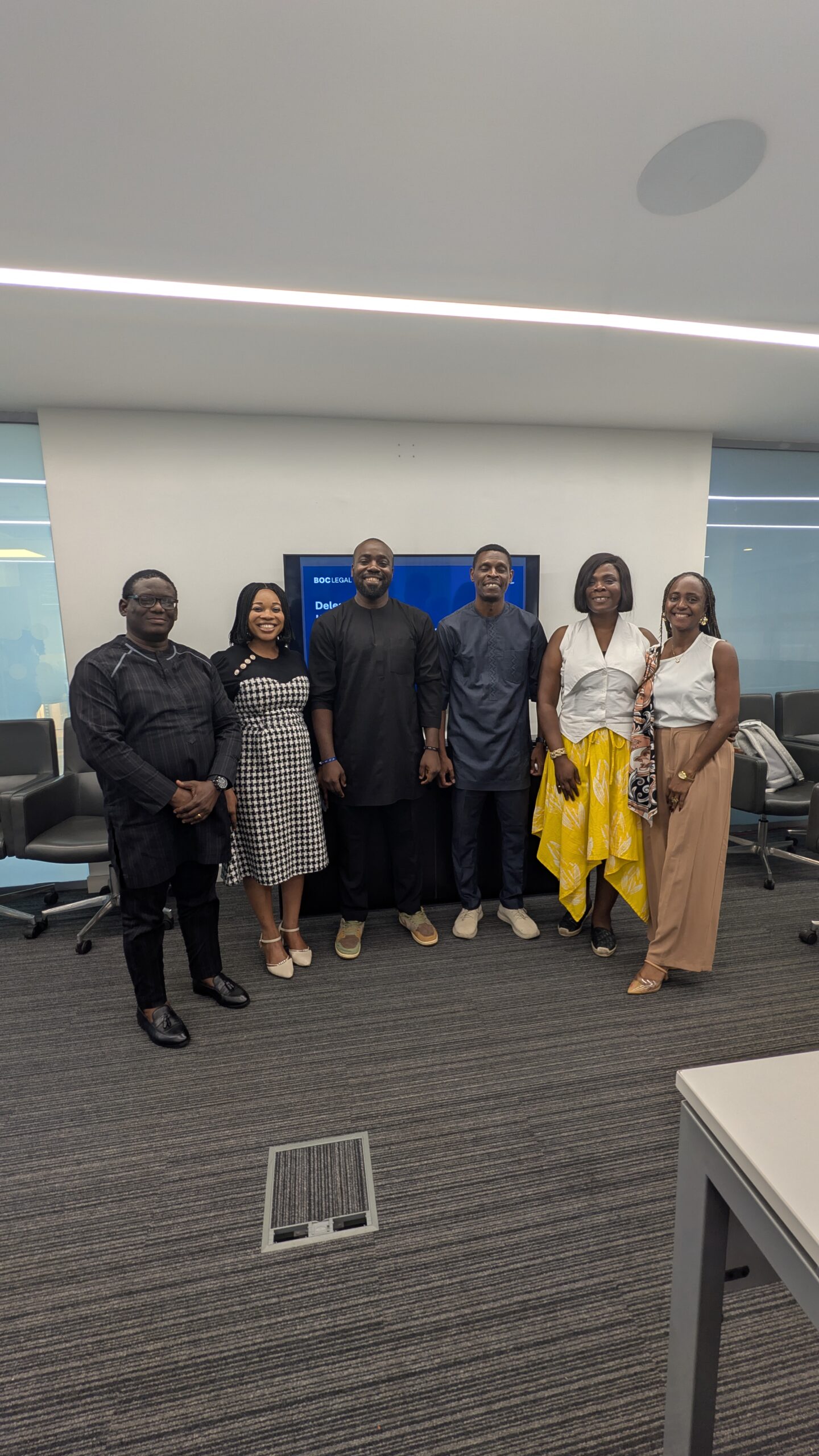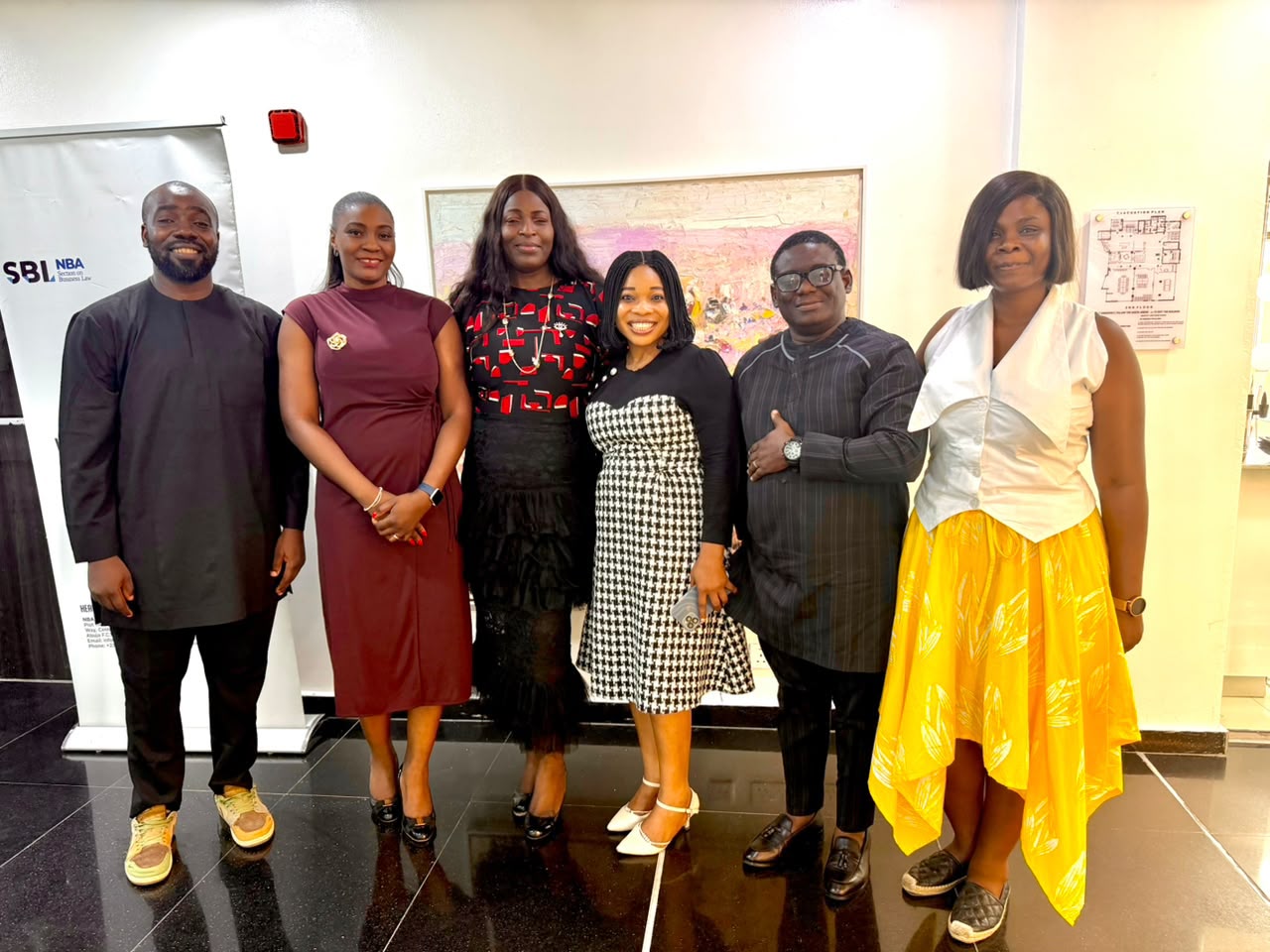
The Nigerian Bar Association Section on Business Law (NBA-SBL), through its Technology Committee, on Wednesday, November 25, 2026, held a masterclass titled “AI Transactions for Lawyers: Contracting for AI” in Lagos, bringing together legal practitioners and technology experts to examine the legal, contractual and commercial implications of artificial intelligence.
The masterclass, held at Banwo & Ighodalo, 48 Awolowo Road, South-West Ikoyi, Lagos, focused on equipping lawyers with practical knowledge and skills required to negotiate, draft and review contracts involving artificial intelligence systems. The programme featured technical presentations, case studies and practical sessions addressing AI-related contractual risks, data protection, intellectual property, liability and vendor management.
The programme commenced with registration and networking, followed by welcome remarks and an introduction to the objectives of the masterclass.
The first technical session, titled “Behind the AI Contract: What Lawyers Need to Know About AI Systems, Data and Model Dependencies,” was delivered by Blessing Oladeji. The session examined the technical foundations of AI systems, including data flows, foundation models, APIs, model changes and third-party dependencies, highlighting issues lawyers must understand when negotiating AI agreements.
Diana Uzor subsequently led a session on “Pre-Contractual Due Diligence for AI Vendors,” which examined key legal and risk considerations involved in assessing AI vendors before entering contractual relationships. Discussions centred on understanding the underlying technology, data usage, privacy and security risks, responsible AI practices and translating due diligence findings into appropriate contractual protections.
Following a tea break, Oyindolapo Olusesi facilitated a session on “AI Vendor Contracting and Risk Allocation.” Using a case-study approach from the vendor’s perspective, the session explored intellectual property, model ownership, warranties, liability, customer red lines, exit rights and third-party AI dependencies.
The afternoon sessions featured discussions on AI procurement and contract negotiation, led by Rotimi Ogunyemi. The session examined contractual considerations from the customer’s perspective, with particular attention to data usage, model training, performance, automated decision-making, liability, human oversight and negotiation priorities.
Ogunyemi also facilitated a practical session on “AI Prompting for Lawyers,” demonstrating how legal practitioners could effectively use artificial intelligence tools for legal research, contract analysis, clause drafting, redlining and agreement review, while emphasising responsible use and verification of AI-generated outputs.
The masterclass concluded with a question-and-answer session, key takeaways and closing remarks, providing participants with practical insights into navigating the evolving relationship between artificial intelligence, legal practice and commercial contracting.
The programme formed part of efforts to strengthen lawyers’ understanding of emerging technologies and prepare legal practitioners for the contractual and regulatory challenges associated with the increasing adoption of artificial intelligence.