

To revisit amendment after 2027 polls
More than two years after the Supreme Court ordered that federal allocations go directly to the 774 local government councils, the Federal Government has remained in limbo over the judgment. In the APC’s 2027 manifesto, titled ‘From Reforms to Prosperity’, the party admitted that the ruling is in friction with the Constitution.
The admission appears in the governance pillar of the 109 page document. It claimed that a second President Bola Ahmed Tinubu term will resolve the friction between the judgment and Section 162 of the 1999 Constitution, which governs the State Joint Local Government Account.
The manifesto listed direct FAAC payments to all 774 councils as an achievement and said the Federal Government is closely monitoring implementation to ensure even compliance across states.
That claim sits uneasily with what stakeholders reported on the ground. In September, labour and civil society groups said no local government was receiving its allocation directly from the Federation Account, and that governors still wield influence over council finances, leadership and operations.
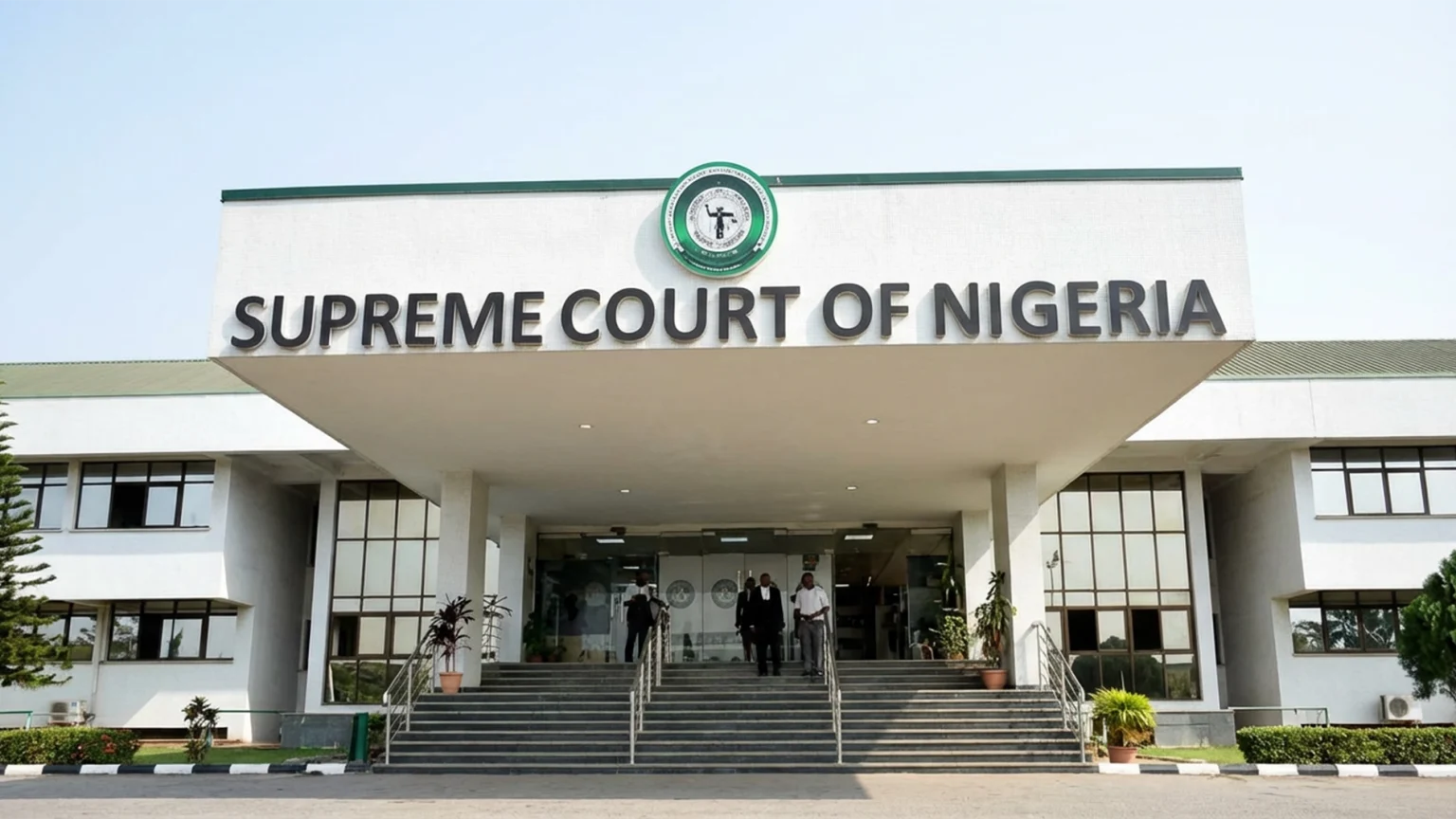
The case was brought by the Federal Government against the 36 governors. The Supreme Court ruled on 11 July, 2024 that funds for the councils must be paid directly to elected councils and nullified the joint account provision in Section 162(6).
President Tinubu authorised the suit and at one point threatened an executive order to enforce compliance, though many now argue that only constitutional reform can settle the matter.
Reports indicate that ₦10.48 trillion was allocated to the third tier in the two years after the judgment, yet states still control much of the money. At one stage, the Accountant-General of the Federation and the Attorney-General began talks on how to proceed as direct disbursement suffered delay. The Central Bank of Nigeria began profiling council chairmen and signatories in early 2025, but governors lobbied for a delay.
Some states have moved in the opposite direction. Anambra enacted a law in 2024 that retained a joint account and required councils to remit a share of federal allocations to the state. Delta, by contrast, said it has fully complied, releasing arrears and monthly allocations directly to its 25 councils.
Legal commentators have expressed their observations. The judgment could not delete other provisions of Section 162, nor the power in Section 7(1) to legislate on council finance. State governments have relied on these lapses to restore by law what the court forbade.
The manifesto has offered a route. It promises to publish allocations to each of the 774 councils with clear performance standards, support the revenue allocation review through to legislative adoption, and continue constitutional and fiscal review to devolve appropriate powers and resources. Its measurement table gives published allocations for every council as the target.
Any constitutional change requires approval by two thirds of both chambers of the National Assembly and at least 24 of the 36 State Houses of Assembly. It means governors and state lawmakers would have to agree to give up part of their control.
Supporters of the administration have noted that the Federal Government took the governors to court and won, and that the manifesto is the first presidential document to name the problem openly. Critics have disagreed. They have argued that naming it is not the same as enforcing the judgment, and that councils want to see the money, not the promise.