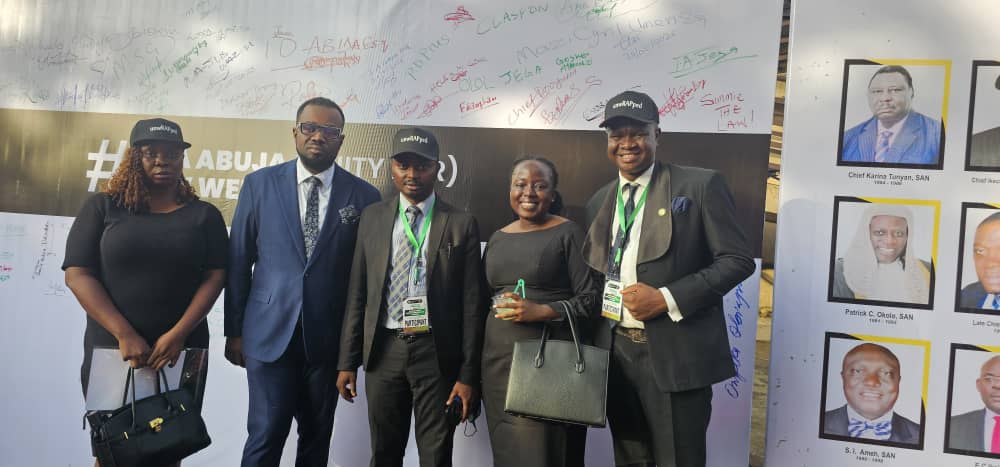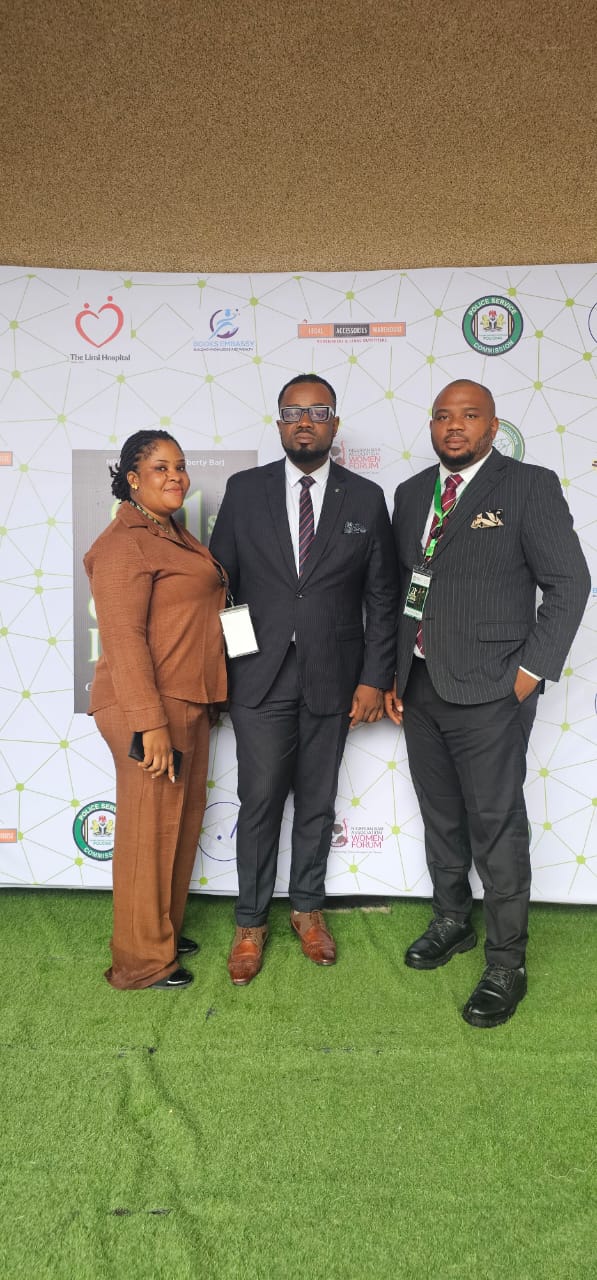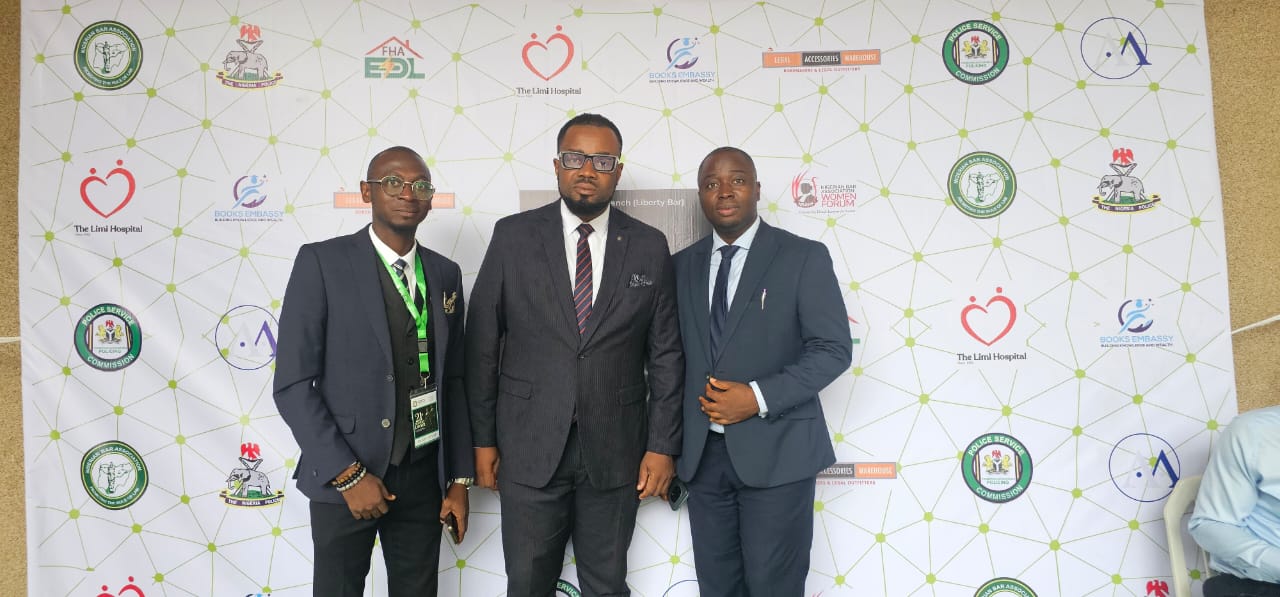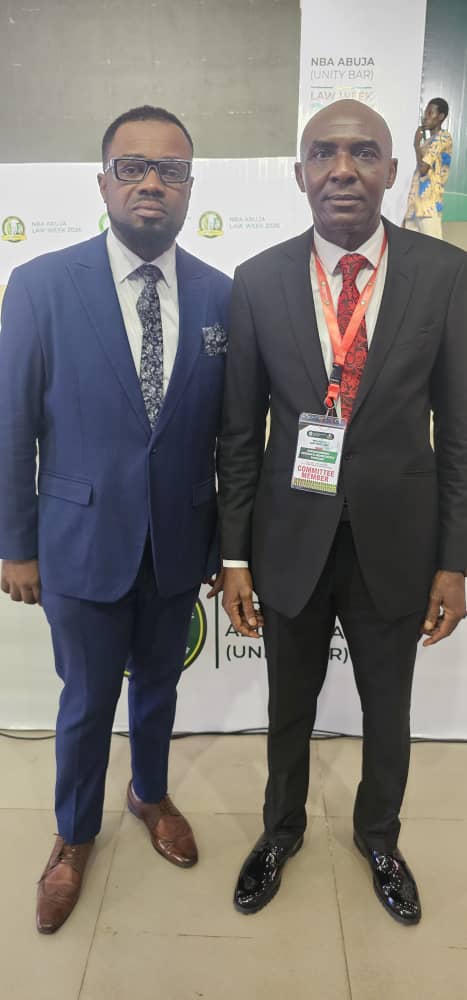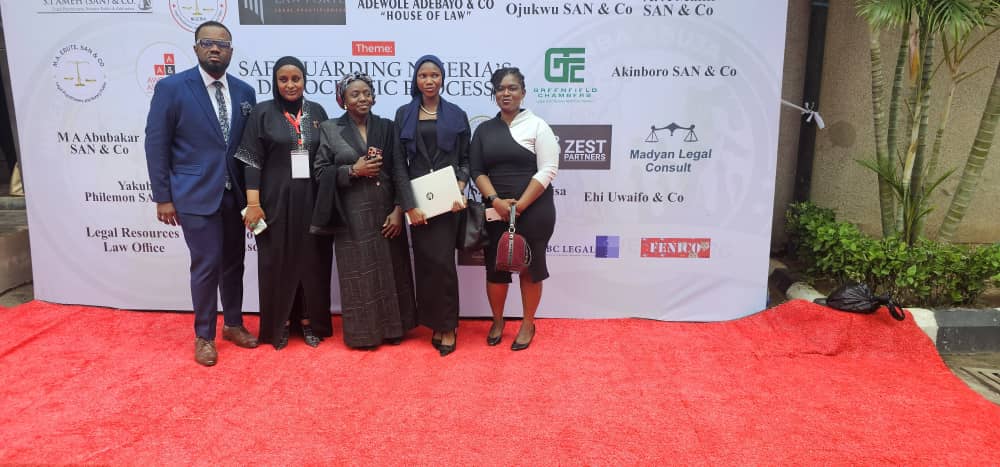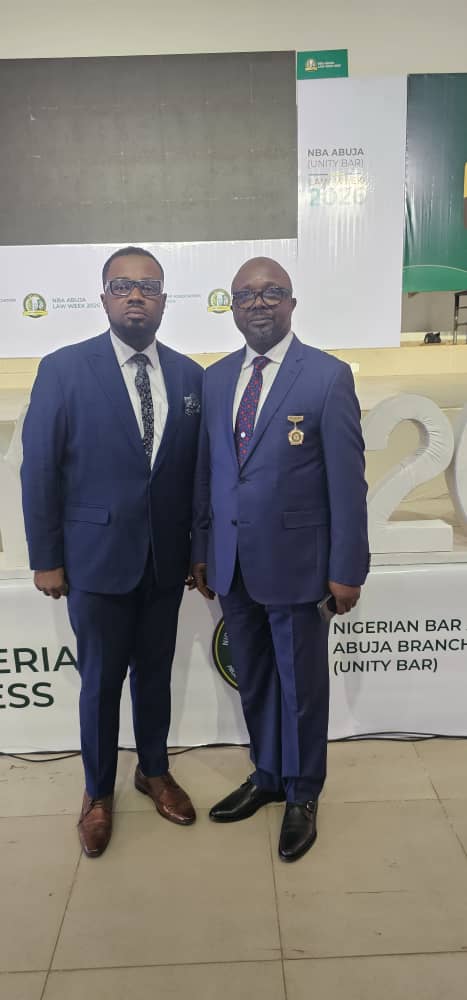


Former Publicity Secretary of the Nigerian Bar Association and candidate for the office of NBA General Secretary, Rapulu Nduka, has called on NBA branches across the country to ensure that Law Week discussions translate into practical and measurable outcomes capable of impacting both the legal profession and society. Dr. Nduka made the remarks while participating in the Nigerian Bar Association Garki Branch Law Week, where he delivered a goodwill message and contributed to discussions on “Mentorship & The Fit and Proper Lawyer” as well as “Energy Law, Renewable Transition and Climate Change in Nigeria.”
Speaking during the event, Nduka observed that while lawyers are often proficient in articulating ideas and engaging in intellectual discourse, there remains a significant gap between conversations and implementation. He stressed that mentorship within the legal profession must be deliberate, structured, and mutually beneficial, urging NBA branches to establish active mentorship committees that connect senior lawyers with younger practitioners for continuous transfer of knowledge, values, and ethics. On energy law and regulation, he criticized what he described as Nigeria’s unfriendly and overlapping regulatory framework, noting that excessive licensing regimes and duplicated agency functions often undermine innovation and public interest. He subsequently urged legal stakeholders to champion reforms that prioritize accessibility, fairness, accountability, and tangible benefits for ordinary Nigerians.
Read full statement below;
Dr. Rapulu Nduka, former Publicity Secretary of the Nigerian Bar Association, and Candidate for the office of the General Secretary of the NBA, participated in the NBA Garki Branch Law Week, where he delivered a goodwill message and made insightful interventions on two key discourse topics: “Mentorship & The Fit and Proper Lawyer” and “Energy Law, Renewable Transition and Climate Change in Nigeria.”
In his remarks, he expressed appreciation for the opportunity to be part of the event but noted that, over time, he had developed the habit of asking branches a critical question whenever he attends Law Weeks: what are the actionable outcomes? He observed that while lawyers are adept at articulating ideas and speaking eloquently, there is often a gap between discussions and concrete implementation, stressing that culture is not merely declared but intentionally built.
Speaking on mentorship, Dr. Nduka emphasized that it must be a deliberate and structured process, describing it as a two-way responsibility. He noted that while senior members of the Bar must make time to mentor, younger lawyers must also be willing and open to learning. He therefore encouraged the NBA Garki Branch, and other branches, to establish strong mentorship committees that actively connect willing seniors with juniors, ensuring the continuous transfer of knowledge, values, and professional ethics required to produce fit and proper lawyers.
On the discourse surrounding energy law, renewable transition, and climate change in Nigeria, he noted that as an expert in Information Technology Law and Cyber Law, certain lessons from the licensing regimes in most European Union countries are instructive.
He stressed that any discourse that does not translate into tangible benefits for the average Nigerian falls short of its purpose. Drawing from his academic research, he highlighted how the European Union achieved deeper internet penetration through a people-friendly licensing regime and coordinated, citizen-focused regulation.
He contrasted this with the Nigerian experience, lamenting that the prevailing licensing regime is often inhumane, thereby making meaningful, people-friendly energy dispensation largely impracticable. He further noted that overlapping regulatory frameworks, with multiple agencies performing similar roles, have contributed to inefficiency and, in some cases, turned regulation into an avenue to exploit citizens rather than serve them.
He called on stakeholders, particularly within the legal profession, to advocate for a shift towards a regulatory culture that prioritizes public good, innovation, accessibility, and fairness over revenue generation.
Dr. Nduka concluded by urging that the Law Week should not end with speeches alone but with clear, actionable resolutions that promote responsible regulation, institutional accountability, and policies that positively impact Nigerians.