


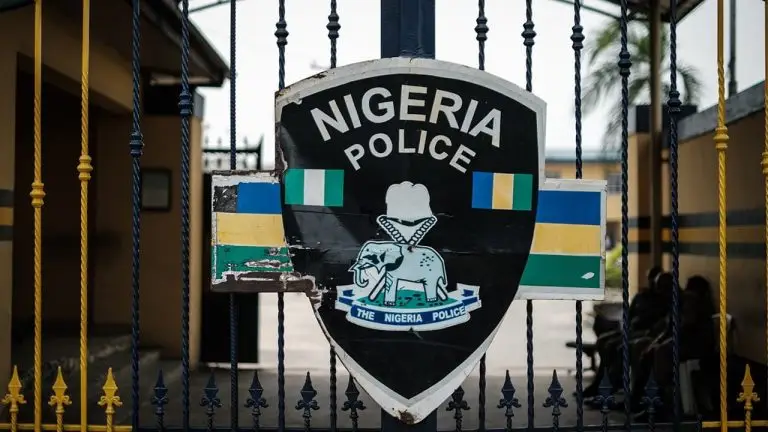
The Lagos State Commissioner of Police, Olohundare Jimoh, has justified his decision to declare activist and Sahara Reporters publisher, Omoyele Sowore, wanted, maintaining that the move was within his constitutional authority to preserve public order.
Speaking on a live TV program on Wednesday, Jimoh said the action was taken to forestall what he described as a planned “violent protest” in Lagos.
“I have the right to declare him wanted. Anyone who believes otherwise should go to court,” the commissioner stated.
He explained that the police acted on intelligence and social media posts allegedly made by Sowore, suggesting plans to mobilise protesters to block the Third Mainland Bridge. According to Jimoh, officers preemptively secured strategic areas in Lagos and arrested 13 individuals linked to the planned demonstration.
“A vehicle carrying loudspeakers and a generator meant for the protest was also impounded,” he added.
Jimoh insisted that the declaration was a preventive measure to safeguard lives, property, and ensure the free flow of traffic in the state. “I have the constitutional power to prevent crime and protect the public from actions that could lead to chaos,” he said.
The police chief further clarified that the Inspector-General of Police (IGP) did not issue any directive to declare Sowore wanted, dismissing such claims as “false and mischievous.”
“The IGP has not given such an order, neither to me nor to any police command across the country,” he said.
The controversy began on November 3, when the Lagos Police Command declared Sowore wanted for allegedly engaging in activities capable of breaching public peace and obstructing traffic on the Third Mainland Bridge.
Sowore, however, rejected the declaration, describing it as illegal and unconstitutional. In a statement, he argued that no police officer has the authority to declare a citizen wanted without a court order.
He also alleged that the declaration followed a failed attempt by the police to arrest him during a protest in Oworonshoki, claiming officers were acting on a “shoot-at-sight” order from the IGP, a claim the commissioner firmly denied.
Jimoh reiterated that no such directive existed and maintained that the police acted strictly within the confines of the law.