
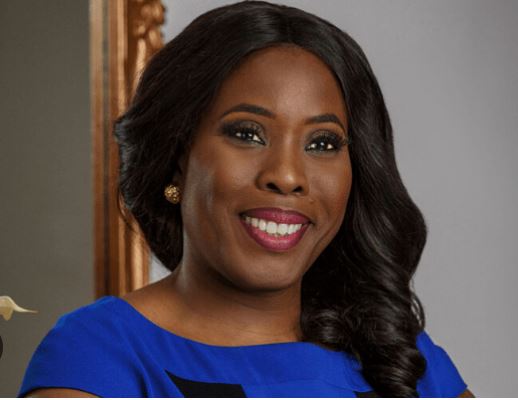
The Lagos State Commissioner for Commerce, Cooperative, Trade and Investment, Folashade Ambrose, has warned that delays in passing the proposed Reserved Seats Bill for women could weaken female representation in the 2027 general elections.
At the event, Ambrose emphasised that the slow progress on the bill risked sidelining women if it was not implemented before key stages of the electoral process.
She further noted that recent adjustments to the election timetable by the Independent National Electoral Commission had shortened the window for enacting reforms designed to expand women’s participation.
“The time available to operationalise critical proposals that expand participation, especially through the Reserved Seats Bill for women, is now shorter,” she said.
Ambrose stressed that unless the legislation takes effect before party primaries, it would be unable to influence candidate selection, a crucial determinant of electoral outcomes.
“If they do not influence candidacy, they cannot influence outcomes. And if outcomes remain unchanged, a significant portion of the women’s population will remain underrepresented for another electoral cycle,” she added.
She described the issue as one that goes beyond legislation, framing it as a matter of fairness, inclusion and national development.
While raising concerns about political representation, Ambrose pointed to ongoing efforts to strengthen women’s economic participation through targeted interventions.
She highlighted initiatives such as the Lagos State Employment Trust Fund, which supports entrepreneurs with funding, training and mentorship.
She also referenced the N10bn Lagos State Access to Finance through Cooperatives programme, implemented in partnership with the Bank of Industry and Sterling Bank, offering low-interest, non-collateral loans of up to N10m to cooperative-based small businesses.
In addition, she cited the Lagos State Export Readiness Programme, which has trained hundreds of small and medium enterprises in export development and supported selected businesses to participate in intra-African trade fairs.
“Economic empowerment and political inclusion must go hand in hand,” she said.
In separate remarks, the Permanent Secretary of the ministry, Babatunde Onigbanjo, underscored the role of women’s empowerment in driving economic growth and social stability, noting that government initiatives continued to support women-led enterprises through financing and market access.
Also speaking, the Senior Special Assistant to the Governor on Commerce, Cooperative, Trade and Investment, Nana Adeeyo, said efforts are ongoing to help women transition from informal to formal business structures, enabling them to access larger markets, institutional financing and government contracts.