


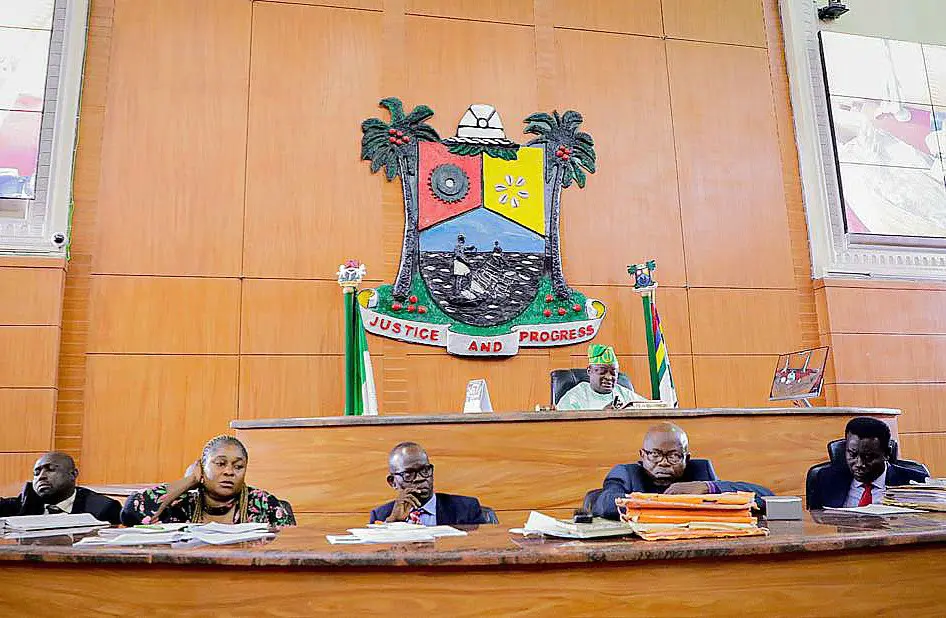
The Lagos State House of Assembly has proposed increasing the civil jurisdiction of magistrates’ courts from N10m to N25m and extending the retirement age of magistrates from 60 to 65 years in a bid to strengthen justice delivery in the state.
The proposals formed part of recommendations adopted by the House on Monday following consideration of a report by its Committee on Judiciary, Human Rights, Public Petitions and LASIEC on the proposed amendment to the Magistrates’ Courts Law, 2015.
The amendment, if enacted, would expand the range of civil disputes magistrates can adjudicate, potentially allowing more litigants to seek redress at the lower courts without having to approach higher courts over claims exceeding the existing monetary threshold.
Under the proposed changes, magistrates would retire at 65 years or upon completing 40 years in service, whichever comes first.
Presenting the committee’s report, its chairman, Oladipo Ajomale, said the proposed reforms were intended to strengthen the magistracy, improve the efficiency of magistrates’ courts and enhance the administration of justice in Lagos.
The report, titled ‘A Bill for a Law to Amend the Magistrates’ Courts Law of Lagos State, 2015, and for Connected Purposes’, also addressed the welfare and conditions of service of magistrates.
The committee said raising the retirement age would enable the judiciary to retain experienced judicial officers, preserve institutional knowledge and strengthen the capacity of the magistracy.
It also argued that increasing the monetary jurisdiction of magistrates’ courts would expand their ability to handle civil matters, while improving access to justice and reducing delays in the judicial process.
The committee described magistrates’ courts as a critical component of the justice system because of their proximity to residents and responsibility for handling a significant volume of everyday disputes and other legal matters.
The House subsequently adopted the committee’s report and recommendations as its resolution.
The proposed changes are expected to be pursued through the amendment of the existing law.