

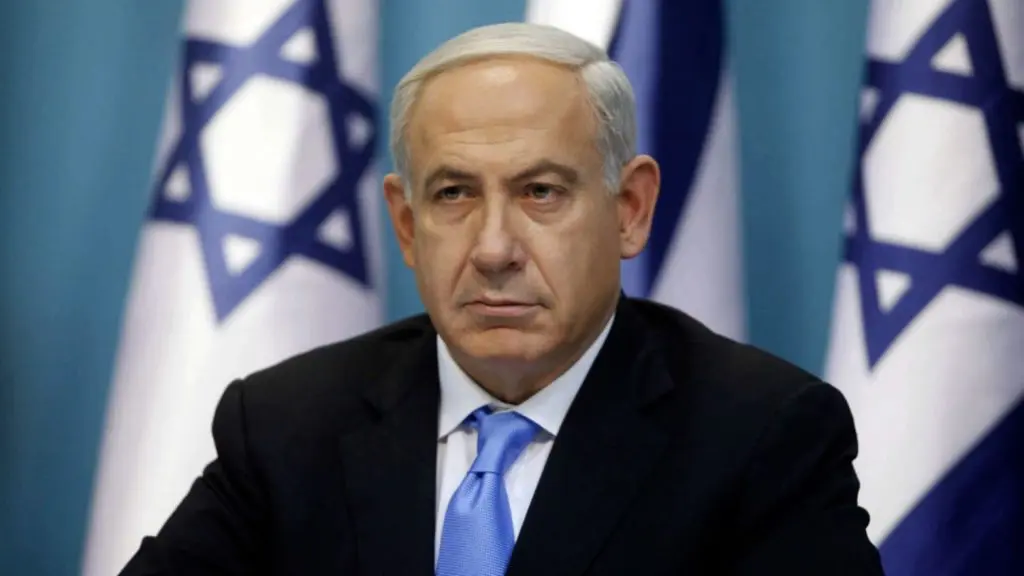
Israeli Prime Minister Benjamin Netanyahu’s political bloc has lost its parliamentary majority following the release of final election results, setting the stage for difficult negotiations among rival parties seeking to form the next government.
The results announced early Friday gave Netanyahu’s bloc 53 seats in the 120-member Knesset, while the main opposition bloc secured 48 seats. Arab-led parties won the remaining 19 seats, marking a historic showing and potentially giving them a significant role in determining the country’s next government.
With no bloc securing the 61 seats required for a parliamentary majority, political parties must now negotiate alliances to establish a governing coalition.
Netanyahu, Israel’s longest-serving prime minister, remains in office while the parties consider their options.
Centrist politician Yair Lapid acknowledged the difficult negotiations ahead in a post on X, calling for patience as political consultations get underway.
“Now comes the truly hard part,” centrist politician Yair Lapid said on X, urging patience and adding: “If you want to know if something’s happening behind the silence you’re hearing now, the answer is yes.”
The role of Arab-led parties in the coalition negotiations has emerged as a major point of contention, exposing divisions over whether they should be involved in forming Israel’s next government.
In his first public comment on Friday, Netanyahu posted on X that forming a coalition with Arab parties was forbidden.
The position comes after Arab-led parties recorded a historic result, with their support reflecting growing opposition to Netanyahu’s far-right allies, including National Security Minister Itamar Ben-Gvir. Ben-Gvir’s party lost seats in the election.
Arab citizens make up about 20% of Israel’s population, and their strong turnout drew attention amid the political contest.
Opposition figures accused Netanyahu of demonising the Arab population after he and his Likud party amplified unsubstantiated claims, shortly before the final results were announced, that Arab-led parties had “stolen” the election, potentially with foreign assistance.
The allegations have added to tensions surrounding the coalition talks, with competing views emerging over whether Arab-led parties should be included in a future government.
Beny Engalrd, a resident of Tel Aviv, said Israel’s multiparty political system offered several possible routes to forming a government.
“There are options for all of this, not like in the United States, where there are only two parties,” said Beny Engalrd, a resident of Tel Aviv.