
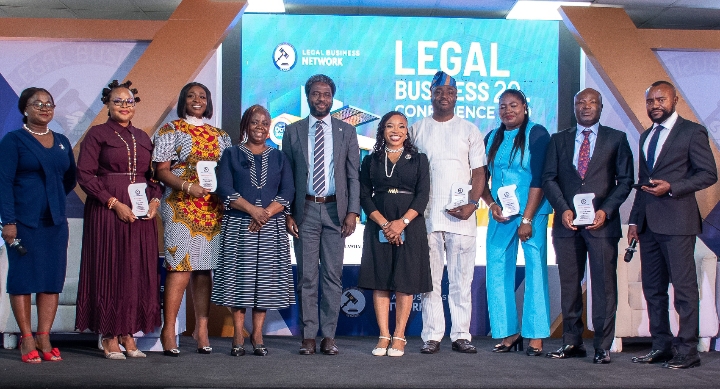
At the Legal Business Conference 2025 held on Tuesday, October 14, 2025, thought leaders in law, finance, and real estate gathered to dissect the theme “Real Estate as a Catalyst for Economic Development”. The second panel discussion, moderated by Mojisola Afolayan, Principal Partner of Mojisola Afolayan Estates, explored “Innovative Financing Models for Real Estate Projects”, highlighting the urgent need for Nigeria to evolve more structured and sustainable financing frameworks.
Emmanuel Odiaka, Managing Director of ECOB Portfolio Management Ltd, emphasized that capital instruments such as investment trusts, infrastructure bonds, and structured funds must be better leveraged to finance large-scale real estate projects. He noted that while the potential is vast, “the scale, structure, and trust in the market are missing.” Odiaka advocated for a hybrid rate market that effectively balances equity and mortgage assets, backed by improved valuation standards, tax incentives, and blended finance funds.
On the legal front, Fikayo Ogunrinde, Managing Associate at Olaniwun Ajayi LP, underscored the importance of due diligence and airtight contractual frameworks in mitigating risks. She pointed out that community issues, particularly “omo onile” disputes and construction delays linked to exchange rate instability, remain major threats. Ogunrinde advised that “both parties should be forward-thinking, transparent, and ensure clarity of terms to prevent financing-related disputes.”
Adding the developer’s perspective, Michael Femi Alley, CEO of The Building Practice Ltd, urged architects and developers to prioritize sustainability and green investment principles to attract funding. He highlighted that certification and sound project structuring can unlock more funding opportunities, especially as investors increasingly demand environmental responsibility.
Rounding off the session, Evelyn Edumoh, General Manager of Arkland Properties, identified blended capital, diaspora financing, and cost efficiency as strategies that have proven effective for developers in recent months. She also noted that models such as Public-Private Partnerships (PPP), joint ventures, and fractional ownership continue to drive growth and affordability in Nigeria’s real estate sector.
The panel collectively agreed that with structured partnerships, proactive legal frameworks, and innovative financing, real estate could indeed become a major catalyst for sustainable economic development in Nigeria.