
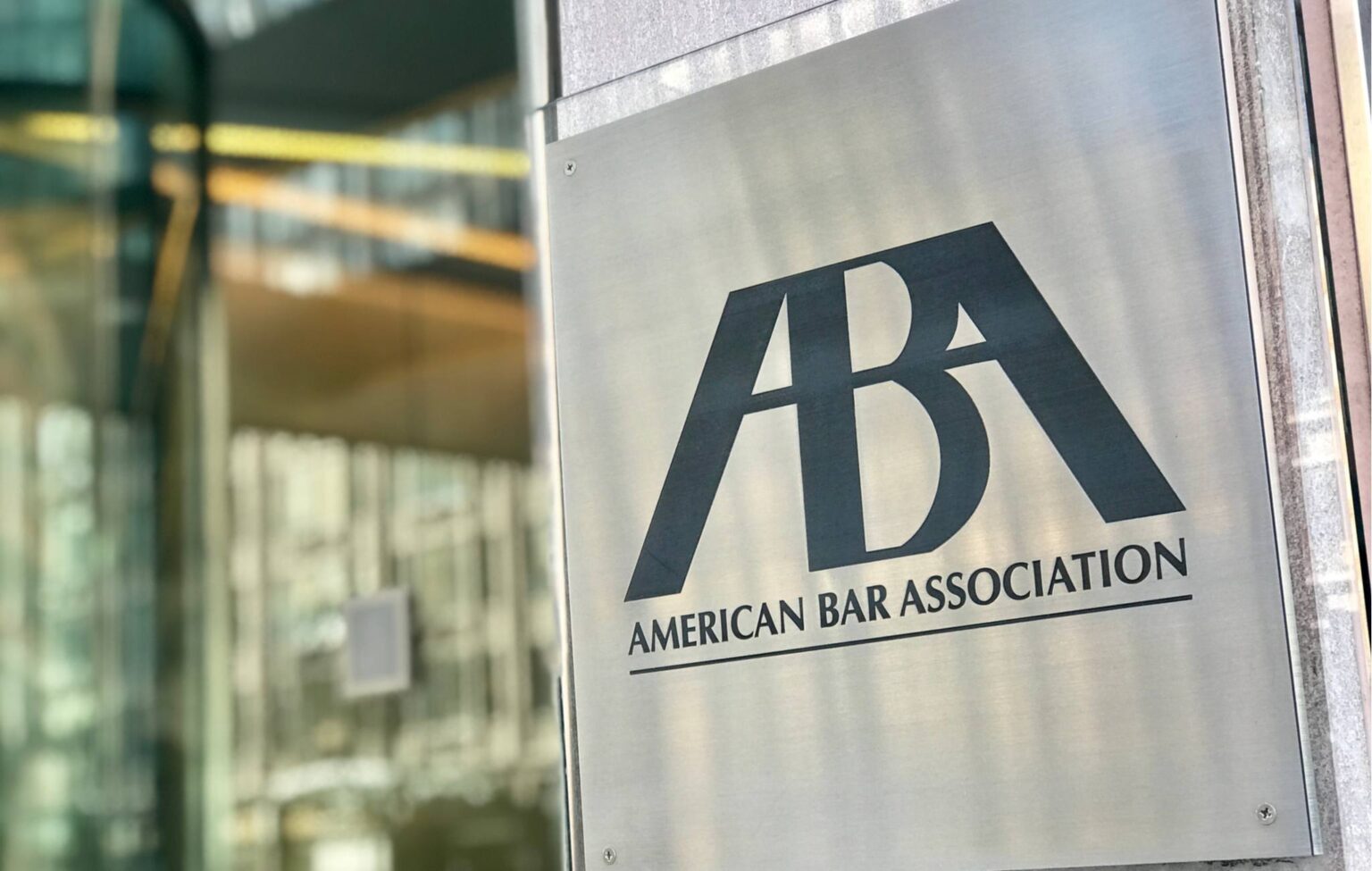
Florida has become the second U.S. state to reduce its reliance on the American Bar Association to determine graduates of which law school can become lawyers, following Texas.
The Supreme Court of Florida said in an opinion, opens new tab on Thursday that it was replacing the ABA as the “sole accrediting agency” for law schools whose graduates may take the state’s bar exam, which is a requirement to practice in the state.
Graduates of ABA law schools are still eligible to take Florida’s exam, but the court said it plans to extend bar eligibility to law schools approved by other federally recognized accrediting agencies — though it noted that no such agencies currently have rules specific to law schools. The court said it will contact other accrediting agencies to gauge their interest in approving law schools.
“The court’s goal is to promote access to high-quality, affordable legal education in law schools that are committed to the free exchange of ideas and to the principle of nondiscrimination,” the court said in a 5-1 ruling.
Florida Governor Ron DeSantis, a Republican, called the decision a “good move” in a post on X. “The (highly partisan) ABA should not be a gatekeeper for legal education or the legal profession,” he wrote.
Jenn Rosato Perea, the ABA’s managing director of accreditation and legal education, said in a statement that the order “reinforces the authority” which the Florida court has always had over lawyer licensing there, and that the ABA will continue to improve its standards and promote the benefits of a national accreditation system.
The Supreme Court of Texas finalized a similar plan on January 6, saying it planned to develop its own criteria to approve non-ABA accredited law schools and allow their graduates to be licensed to practice. Ohio and Tennessee are also reviewing their ABA requirements.
Former South Korean president Yoon Suk Yeol was given a five-year prison term on Friday,
The states’ moves to shrink the ABA’s oversight come amid a wider conflict between the ABA and President Donald
Trump’s administration, though the ABA’s law school accreditation arm operates independently from the larger ABA.
The association has clashed with the administration over Trump’s attacks on judges and law firms. In April, Trump directed the Department of Education to assess whether to suspend or terminate the ABA council as the government’s official law school accreditor, citing its “unlawful ‘diversity, equity, and inclusion’ requirements.”
The U.S. Justice Department in May curtailed the ABA’s longstanding role in vetting judicial nominees and in April, barred its attorneys from traveling to or speaking at ABA events, saying the organization has been engaging in “activist causes.”