


The Federal Government has intensified efforts to reposition the nation’s correctional system by leveraging public-private partnerships (PPPs) to transform correctional centres into viable food production hubs, while strengthening inmate rehabilitation and reintegration.
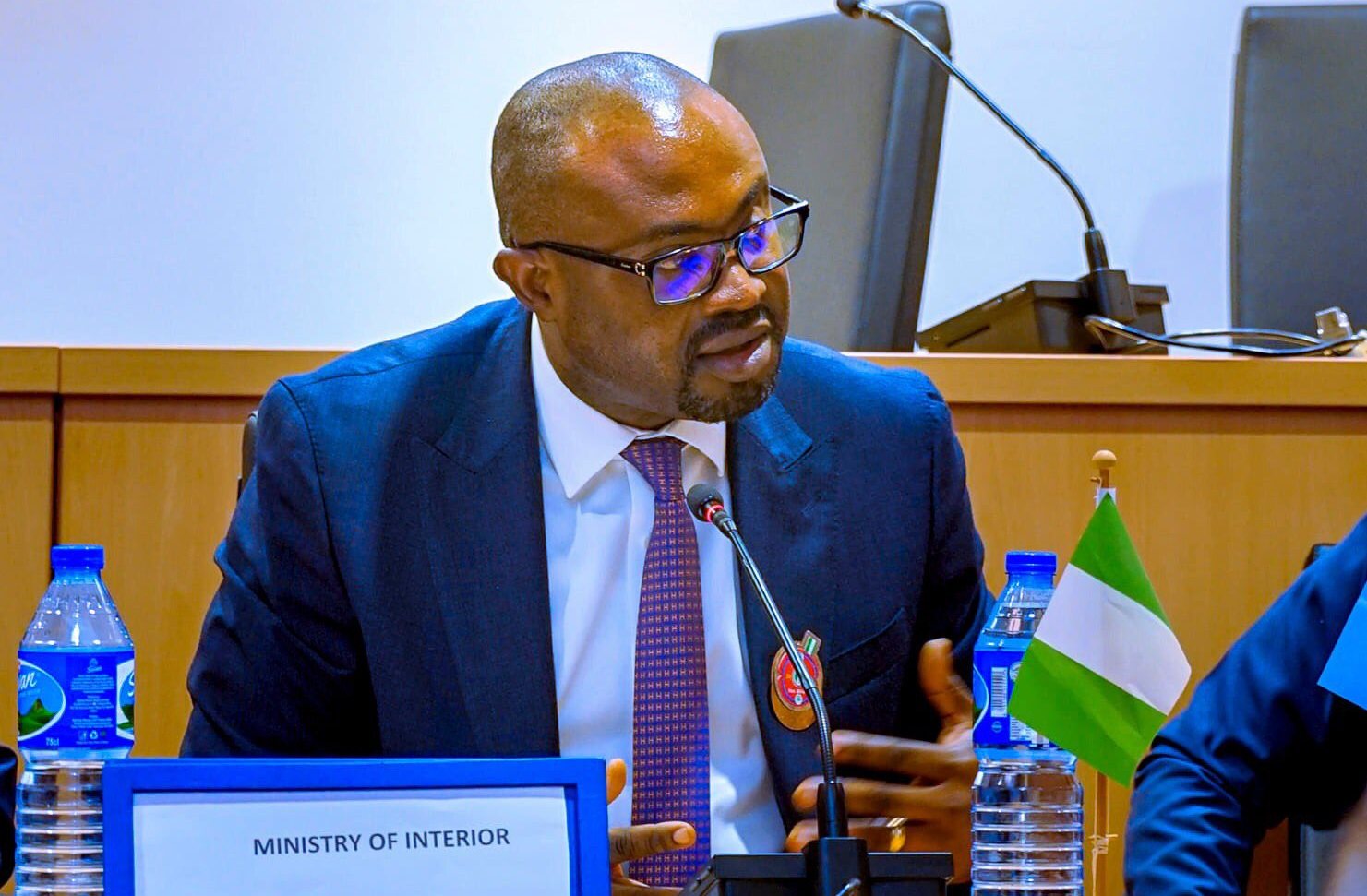
Minister of Interior, Dr Olubunmi Tunji-Ojo, gave the indication yesterday in Abuja at a Stakeholders’ Roundtable on Optimising Correctional Farm Centres and Public-Private Partnership (PPP) Pathways for Inmate Reformation.
The engagement was organised by Hope Behind Bars Africa, with support from the European Union (EU) and Rule of Law and Anti-Corruption (RoLAC) programme.
While stressing the need to unlock the economic and rehabilitative potential of correctional facilities across the country, Tunji-Ojo said the government’s reform agenda is anchored on shifting correctional facilities from mere custodial centres to institutions of productivity and human development.
Represented by the Permanent Secretary in the ministry, Dr Magdalene Ajani, the minister noted that modern correctional systems globally have evolved beyond incarceration to focus on rehabilitation and reintegration.
Tunji-Ojo observed that achieving this vision requires strong collaboration among government, private-sector players, and civil society organisations, stressing that PPPs remain critical to driving sustainable reform.
He explained that PPPs would provide access to innovation, funding and technical expertise needed to modernise infrastructure, expand vocational training and improve operational efficiency across correctional facilities.
Noting the role of agriculture, the minister said Nigeria’s vast agricultural potential makes correctional farm centres critical to both food security and inmate empowerment.
He said partnerships across sectors such as construction, ICT and manufacturing would further enhance employability and reduce recidivism among inmates.
Also speaking, Controller-General of the Nigerian Correctional Service (NCoS), Sylvester Nwakuche, disclosed that his agency is undergoing a deliberate transformation to align with global best practices.
He revealed that the NCoS currently operates 18 farm centres and 10 cottage industries across approximately 10,000 hectares nationwide, alongside several agricultural projects, including fishery, poultry and piggery.
Nwakuche, however, emphasised that the full potential of these operations can only be realised through structured partnerships with the private sector.
In her remarks, Executive Director of Hope Behind Bars Africa, Funke Adeoye, said the initiative aligns with the Nigerian Correctional Service Act 2019, which provides for rehabilitation and encourages collaboration with non-state actors.
She explained that the organisation’s Farming Justice Project was designed to tackle food insecurity in custodial centres, while equipping inmates with agricultural and entrepreneurial skills.
According to her, the project, implemented in partnership with the NCoS and supported by RoLAC, is currently operational in custodial centres, including Kuje, Kirikiri Female, Dukpa and Oko.
Adeoye revealed that the initiative has impacted hundreds of inmates and correctional officers across Edo, Abuja and Lagos, with positive ripple effects on families and local communities.
ALSO, the government has disclosed plans to integrate inmates and ex-inmates into Nigeria’s National Social Register, a database that currently captures over 19.7 million households, as part of a major push to expand social protection and reduce recidivism.
Minister of Humanitarian Affairs and Poverty Reduction, Dr Bernard Doro, disclosed this during a courtesy visit by the NCoS Comptroller-General and his management team in Abuja.
He said the move is aimed at ensuring that inmates, often excluded from government interventions, are captured within the country’s social protection framework.
The Minister described the initiative as part of broader reforms to improve the targeting, transparency, and impact of social intervention programmes.
He noted that collaboration with key institutions such as the NCoS is critical to reaching vulnerable groups effectively.
Doro also highlighted the Ministry’s poverty graduation framework, which is designed to move beneficiaries beyond temporary relief toward sustainable economic independence.
Earlier, Nwakuche underscored the importance of stronger institutional collaboration to improve rehabilitation and reintegration outcomes.
In his remarks, the Permanent Secretary of the Ministry, Mr. Olubunmi Olusanya, noted that correctional centres play a dual role in custody and rehabilitation, aligning with the ministry’s mandate to support vulnerable populations.