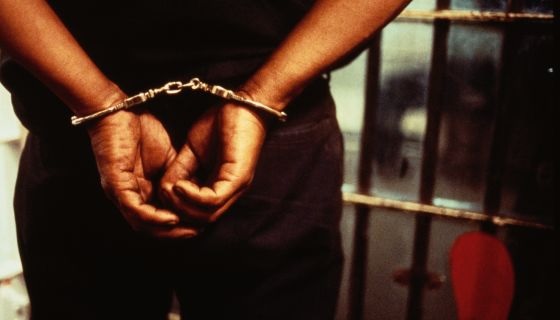
A Nigerian politician and security consultant, Aliyu Gebi, has been arrested by operatives of the State Security Service (SSS) over allegations that he supplied false intelligence to foreign embassies in the country, a development that reportedly triggered diplomatic concern and disrupted international travel plans.
Gebi, who served in the 7th House of Representatives, was arrested on Friday, April 3, according to security sources with direct knowledge of the matter. He has since been granted bail but remains under investigation.
According to reports, sources revealed that Gebi, now a prominent figure within Nigeria’s security architecture, allegedly circulated intelligence reports to foreign missions, which authorities later described as inaccurate and misleading.
A security source, who spoke on condition of anonymity because he was not authorised to brief the media, said the report caused significant alarm among international stakeholders.
“Lufthansa cancelled flights scheduled to take off to Nigeria,” the source said, adding that “British Airways nearly did the same.”
Another source disclosed that the same intelligence informed a recent advisory issued by the United States, warning its citizens about security risks in some Nigerian States.
Citing a “deteriorating security situation,” the US Department of State had advised non-essential personnel to leave the country and urged Americans to reconsider travel to Nigeria. The advisory listed crimes such as armed robbery, kidnapping, assault and roadside banditry as prevalent concerns.
It also identified several high-risk states, including Borno, Yobe, Adamawa, Kogi, Kaduna, Katsina, Zamfara, and Rivers, among others.
However, the Federal Government pushed back against the advisory, urging foreign partners to ensure their assessments were “balanced and up-to-date” and reflect “the progress being made” to improve security nationwide.
While the exact content of Gebi’s intelligence report remained unclear, multiple sources said it heightened diplomatic tensions between Nigeria and its international partners.
“Many embassies received the report and wanted to act on it, but the Nigerian government dialogued with them and they shelved their plans,” another source said. “But the United States went ahead to issue that advisory.”
The development came against the backdrop of already strained relations between Abuja and Washington. Tensions escalated in 2025 after the United States redesignated Nigeria as a ‘Country of Particular Concern’ over allegations of religious persecution, claims the Nigerian government strongly denied.
Although the federal government acknowledged ongoing security challenges, it maintained that violence affects citizens across religious lines. The US has, however, sustained its concerns, at one point carrying out missile strikes in Sokoto targeting suspected Islamic State fighters, an operation Nigerian authorities said they were informed about in advance.
Gebi, born January 17, 1975, in Bauchi State, has held several key roles in Nigeria’s security sector. He was elected to the House of Representatives in 2011, where he chaired the House Committee on Internal Security. He later served as Special Adviser at the Ministry of Interior from 2015 to 2023, and subsequently as Special Adviser on Non-Kinetic Security Strategies at the Defence Headquarters (DHQ).
Despite being granted bail, sources confirmed that Gebi continued to report to the SSS headquarters as investigations progress.
“He has been going to the SSS office since he was granted bail,” one source said. “He is being investigated and will be charged in court.”
Efforts to reach Gebi for comment were unsuccessful. His phone lines were switched off, and messages sent via SMS and WhatsApp were not delivered. Observations suggest he may has been inactive on messaging platforms, raising speculation that his devices may be in custody.
Authorities were yet to formally charge him to court, but insiders said prosecution was imminent as investigations continued.