
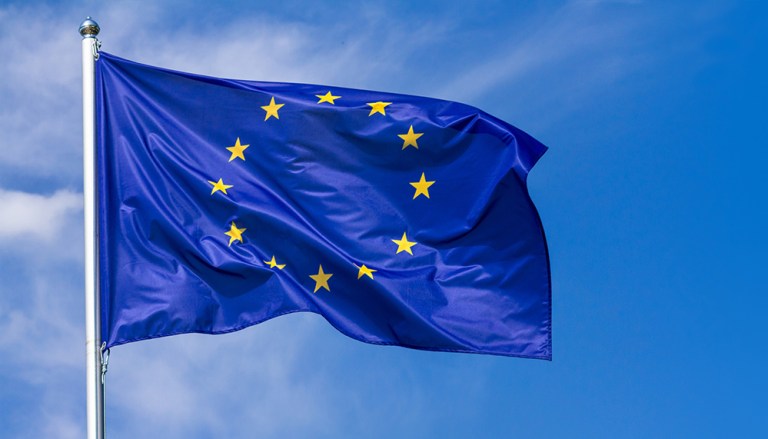
The European Union (EU) has categorically denied reports suggesting it has slashed humanitarian aid to Nigeria, particularly in areas concerning food, nutrition, and health-related emergencies.
The rebuttal follows a July 25 press release by Médecins Sans Frontières (MSF) — also known as Doctors Without Borders — in which the international medical NGO alleged that the EU and other donors had significantly cut funding for Nigeria’s worsening nutrition crisis.
In a sharp response issued on Monday by the EU Delegation to Nigeria and ECOWAS, the bloc described the claims as “unsubstantiated and inaccurate,” insisting that its humanitarian assistance levels have remained consistent with previous years and, in fact, may be increased.
“The level of EU humanitarian support granted by the EU Civil Protection and Humanitarian Office (ECHO) in Nigeria in the first half of 2025 has in fact been similar to the one provided in the first half of 2024,” the EU stated. “And, as done in previous years, the EU is working to increase the amount with additional top-ups.”
The EU emphasized that its support continues to focus heavily on nutrition, healthcare, and emergency food assistance — the very sectors MSF highlighted as underfunded. The statement also clarified that MSF has since amended its original release, removing any direct reference to the EU among the accused donors.
“The EU Delegation takes note of the revised version of the press release published today by MSF, which eliminates the mention of the European Union when speaking of massive cuts by international donors,” the statement noted.
While commending MSF’s life-saving work in Nigeria — including programs partially funded by the EU — the bloc urged caution and responsibility in public communications, especially those that could influence global responses to urgent humanitarian needs.
“In humanitarian situations affecting millions of lives, the importance of sharing accurate public information cannot be overstated,” the EU said.
The EU also reaffirmed its commitment to supporting Nigeria’s most vulnerable populations. During a joint press briefing on July 22 with the Honourable Minister for Humanitarian Affairs and Poverty Reduction, the EU Ambassador reiterated the bloc’s determination to strengthen collaboration with both local and global partners.
“The EU is keeping its financial commitments and its general level of support across the board in the framework of its partnership with Nigeria,” the Delegation said.
The strong rebuttal comes at a time when Nigeria is facing a deepening nutrition and food insecurity crisis, particularly in conflict-affected regions of the North.
Miscommunication about donor funding, the EU warned, could undermine trust and disrupt coordination efforts in a fragile humanitarian landscape.
The EU called on all stakeholders — including aid organizations, donor countries, and national actors — to amplify their efforts in combating hunger, malnutrition, and poverty, rather than cast unwarranted doubts over existing support systems.