


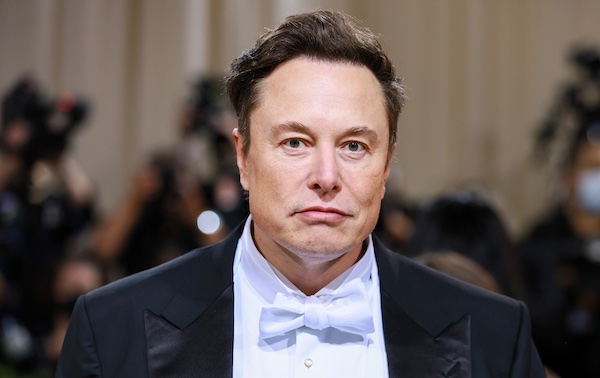
Billionaire entrepreneur Elon Musk has donated more than $276 million to Republican-aligned political groups ahead of the 2026 US midterm elections, emerging as the largest publicly identified donor as the party seeks to maintain its control of Congress.
The contributions, reported by The New York Times ahead of the latest federal campaign finance disclosure deadline, were confirmed by Andrew Romeo, a spokesperson for Musk’s super political action committee.
About $158 million went to the Senate Leadership Fund, a major Republican-aligned super PAC that supports the party’s Senate candidates. The newspaper described the contribution as one of the largest publicly reported political donations in US history.
Musk also gave $76 million to America PAC, his political action committee, which has established a large-scale voter mobilisation operation modelled on its campaign activities during the 2024 presidential election that helped Donald Trump secure victory.
Another $10 million was donated to Lone Star Liberty PAC, which supports Republican Senate candidate Ken Paxton in Texas. The race has become a focus of Musk’s political spending ahead of the midterms.
The latest contributions mark a shift from Musk’s position in May, when he indicated that he intended to reduce his political spending, saying he believed he had already done enough.
Despite his renewed financial commitment, Musk has maintained a lower public profile than during the 2024 election cycle, when he appeared alongside Trump at campaign rallies. He also stepped back from politics after leading the Department of Government Efficiency during the early months of Trump’s second administration.
Musk’s relationship with Trump deteriorated following his departure from government, although the pair have since reconciled. Last week, Trump presented Musk with the National Medal of Science.
Meanwhile, Musk’s net worth has fluctuated amid changes in stock prices. Forbes reported last week that his fortune had crossed the $1 trillion threshold again, placing him among the world’s wealthiest individuals.
Republicans hold a substantial fundraising advantage over Democrats, providing the party with additional resources as it faces potential electoral setbacks. Voter dissatisfaction with Trump’s performance, persistent high living costs and opposition to the war with Iran have added to the challenges confronting Republican candidates.
The party has been using its financial resources to expand television advertising and other media campaigns as election day approaches.
Romeo told The New York Times that Musk’s financial support had strengthened Republican campaign operations and enabled candidates to communicate their positions more effectively to voters.
Democrats, however, have criticised the scale of the spending, arguing that Republican groups are relying on wealthy donors to compensate for weaknesses among their candidates and concerns about the administration’s performance.
Lauren French, a spokesperson for the Democrats’ Senate Majority PAC, accused Republicans of attempting to secure electoral victories through heavy financial spending rather than addressing concerns about their candidates, the president and the economy.