
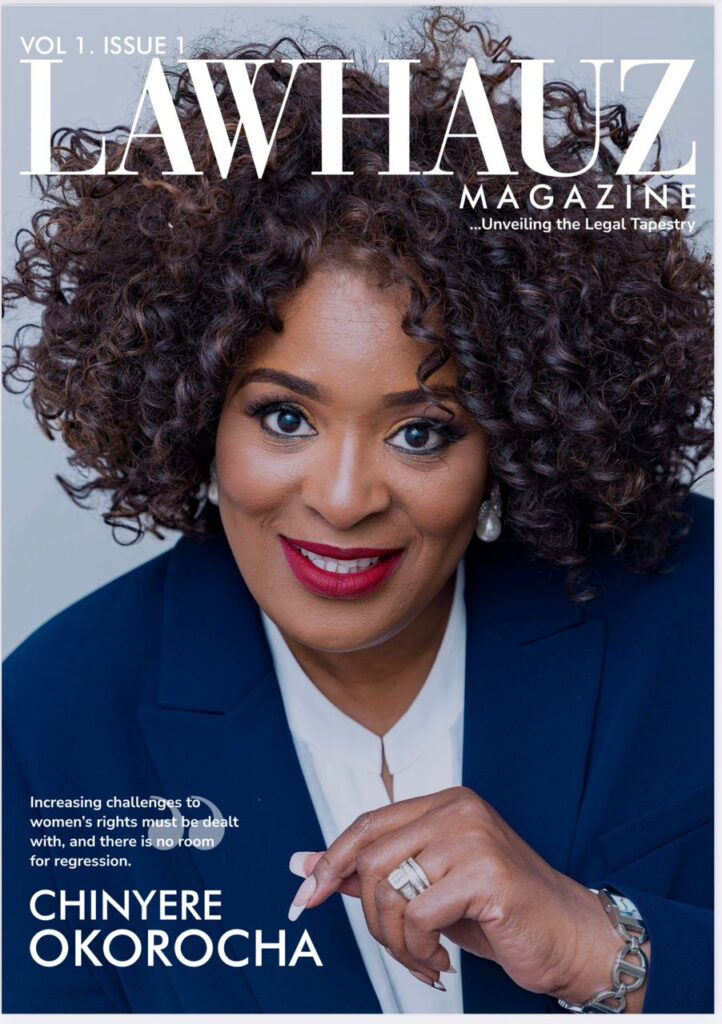


By Ifeoma Ben, LLM, MBA
Nigeria’s creative economy has undergone a major transformation. Films, music, television programmes, books, podcasts, photographs, and other creative works can now reach audiences almost instantly through streaming services, social media, websites, and other digital platforms. This has created new opportunities for Nigerian creators to reach global audiences and earn revenue from their intellectual property.
However, the same technology that makes digital distribution easier has also made unauthorised copying and distribution easier. A film released through an authorised platform can be copied and uploaded elsewhere. Music can be reproduced and distributed without permission. Live broadcasts can be retransmitted illegally, while books and other publications can be shared through websites, messaging applications, and digital channels without compensation to the copyright owner.
Nigeria’s Copyright Act 2022 significantly strengthened the legal framework for dealing with copyright in the digital environment, including online infringement and technological measures used to protect works. For media lawyers, these developments create important opportunities to help creators, producers, broadcasters, streaming platforms, and distributors protect intellectual property while developing commercially sustainable ways of exploiting content.
Understanding the Economics of Digital Piracy
Online piracy is not simply an intellectual property problem. It is also a commercial problem.
Creative businesses invest substantial resources in developing, producing, marketing, and distributing content. Their ability to recover those investments depends largely on controlling how their works are commercially exploited.
When an unauthorised platform distributes a film, recording, broadcast, or other protected content, it can undermine legitimate subscriptions, advertising income, licensing fees, royalties, and distribution revenues.
Copyright law is therefore closely connected to the economics of the creative industry. Protecting copyright helps creators and investors preserve the commercial value of their works.
For lawyers advising the sector, understanding this relationship between rights and revenue is essential.
Nigeria’s Copyright Framework in the Digital Environment
The Copyright Act 2022 provides the principal contemporary legal framework for copyright protection in Nigeria. Copyright may subsist in categories including literary works, musical works, artistic works, audiovisual works, sound recordings, and broadcasts.
Importantly, copyright protection does not depend upon registration. Copyright generally arises once the statutory requirements for protection are satisfied. The Nigerian Copyright Commission nevertheless operates a voluntary registration system, which can provide useful evidence concerning a work and its ownership.
The 2022 Act also contains specific provisions addressing online content and infringement. This is particularly significant for lawyers because enforcement is no longer confined to traditional physical piracy.
The digital environment requires lawyers to understand not only conventional copyright remedies but also notice procedures, platform processes, technological protection measures, and the responsibilities of relevant online service providers.
Digital Rights Management as a Legal and Commercial Tool
Digital Rights Management refers broadly to technologies and systems used to control access to and use of digital content. Streaming services, publishers, music platforms, and other content businesses may use technological measures such as encryption, access controls, authentication systems, and restrictions on copying or redistribution.
The Copyright Act 2022 recognises technological protection measures and provides legal protection against certain forms of circumvention.
For lawyers, however, Digital Rights Management should not be viewed solely as a technology issue. It should form part of a broader intellectual property strategy.
Lawyers can work with technology teams to ensure that contractual arrangements prohibit unauthorised circumvention, redistribution, extraction, or exploitation of protected content. They can also ensure that agreements with distributors and technology providers clearly allocate responsibility for implementing appropriate content protection measures.
This creates an important intersection between copyright law, technology contracting, and commercial advisory practice.
Online Enforcement and Platform Responsibility
The digital environment has changed the way copyright enforcement works. Traditionally, enforcement often involved identifying physical copies of pirated works and pursuing those responsible for producing or distributing them.
Online infringement requires a different approach because content may be hosted, transmitted, or made available through digital intermediaries.
Nigeria’s Copyright Act 2022 introduced a framework dealing with online service providers, including procedures through which copyright owners may seek action against infringing online content. The Act also provides conditional limitations on liability for qualifying service providers where the statutory requirements are satisfied.
This means lawyers advising rights holders need to understand how to prepare effective infringement notices, preserve evidence, identify the relevant service provider, and determine when court proceedings or regulatory intervention may be appropriate.
At the same time, lawyers advising digital platforms must help clients establish processes for receiving and responding to copyright complaints while satisfying the conditions necessary to benefit from applicable statutory protections.
The Nigerian Copyright Commission also has enforcement responsibilities in relation to copyright infringement and provides mechanisms through which piracy and infringement may be reported. (Copyright Office of Nigeria)
Licensing as an Alternative to Constant Enforcement
Copyright protection should not be viewed only through the lens of litigation and enforcement. One of the most valuable services media lawyers can provide is helping clients transform intellectual property into sustainable revenue.
Licensing enables copyright owners to permit others to exploit their works while retaining ownership, subject to agreed commercial terms.
A Nigerian film producer, for example, may grant different distribution rights for different territories or platforms. A musician may license particular rights for streaming, advertising, film synchronisation, or other commercial uses. Broadcasters and digital platforms may similarly acquire defined rights to transmit or make content available.
Lawyers must ensure that licensing agreements clearly address the rights being granted, territory, duration, exclusivity, permitted platforms, payment arrangements, reporting obligations, sublicensing, audit rights, termination, and consequences of infringement.
Carefully structured licensing arrangements can turn intellectual property from a protected legal right into a recurring commercial asset.
Cross Border Enforcement
Digital piracy rarely respects national boundaries. A Nigerian film may be uploaded to a server located outside Nigeria and accessed by viewers in several countries. This creates practical challenges concerning jurisdiction, identification of infringers, applicable law, and enforcement of remedies.
Copyright remains substantially territorial, although international copyright treaties facilitate protection of qualifying works across participating countries. Nigeria is a party to important international copyright arrangements, including the Berne Convention.
Lawyers dealing with international infringement therefore need to consider where the infringing activity occurs, where relevant platforms or intermediaries are located, which country’s law applies, and what enforcement mechanisms are available.
Cross border piracy may require collaboration with foreign counsel, platform operators, investigators, and international rights management organisations.
For Nigerian lawyers, this creates an opportunity to develop expertise in international intellectual property enforcement and cross border media transactions.
Protecting Rights Before Infringement Occurs
Effective copyright strategy begins before piracy takes place.
Lawyers can conduct intellectual property audits to determine who owns the various rights associated with a production. This is particularly important for films, music, and other collaborative works involving writers, performers, producers, composers, photographers, and independent contractors.
Clear contracts should establish ownership and secure necessary assignments, licences, consents, and permissions.
Lawyers can also help clients maintain appropriate records of creation and ownership. Although registration is not a condition for copyright protection in Nigeria, voluntary registration with the Nigerian Copyright Commission can have evidential advantages. The Commission states that registration records can assist in establishing information relating to the creation and ownership of works. (Nigerian Copyright eRegistration System)
Preventive legal work can therefore make subsequent commercialisation and enforcement considerably easier.
Building a Digital Copyright Practice
For lawyers, digital copyright protection offers opportunities extending well beyond infringement litigation.
Creators need lawyers to protect and commercialise their intellectual property. Producers require advice on rights clearance and distribution. Streaming platforms need content acquisition and platform compliance advice. Broadcasters require licensing arrangements. Investors need intellectual property due diligence before financing creative projects.
Lawyers can consequently provide services covering intellectual property audits, licensing agreements, content acquisition, rights clearance, platform terms, infringement notices, enforcement strategy, copyright disputes, and cross border transactions.
There are also opportunities for recurring advisory relationships. Media companies with substantial content libraries require continuous assistance with licensing, rights management, contract negotiation, and infringement monitoring.
A lawyer who understands both copyright law and the commercial operation of digital media can therefore become much more than an enforcement lawyer. The lawyer becomes part of the client’s intellectual property and revenue strategy.
Conclusion
Nigeria’s transition towards streaming and digital distribution has created enormous opportunities for the creative economy, but those opportunities depend upon the ability of creators and businesses to retain control over the commercial exploitation of their intellectual property.
The Copyright Act 2022 provides a stronger framework for addressing copyright infringement in the digital environment, but legislation alone cannot eliminate piracy. Effective protection requires a combination of technology, contracts, licensing, enforcement, platform engagement, and commercial strategy.
For lawyers, this creates an expanding field of practice. By helping creators, producers, broadcasters, streaming platforms, and distributors protect and commercialise their rights, legal professionals can contribute directly to the sustainability of Nigeria’s creative economy.
The opportunity is not merely to fight piracy after it occurs. It is to help clients build intellectual property structures in which creative content is properly owned, effectively protected, strategically licensed, and sustainably monetised.