

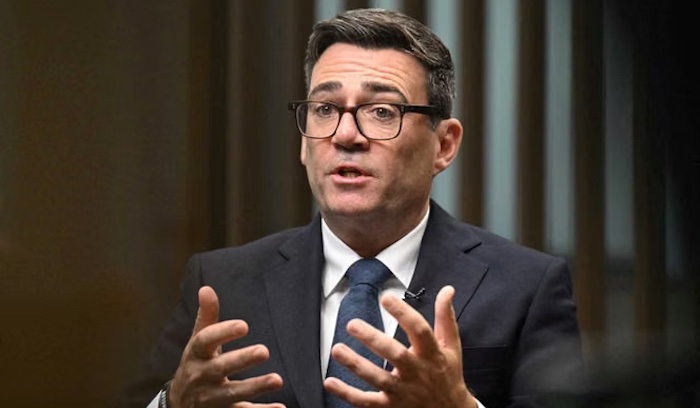
Prime Minister Andy Burnham is set to tell parliament on Monday that Britain should consider building a closer relationship with the European Union, arguing that a new agreement could support economic growth and help control immigration.
Burnham, who supported remaining in the EU during the 2016 membership referendum, will make the case as parliament resumes after its recess. His statement will set out his government’s approach to Britain’s future relationship with the bloc.
His position marks a departure from former Prime Minister Keir Starmer, who avoided reopening the divisive debate over Britain’s relationship with the EU.
Burnham is expected to argue that Britain has not gained the benefits promised from Brexit and should take what he describes as a “calm, clear-eyed look” at its ties with the bloc.
“Andy understands why some politicians don’t want to face up to the reality that Brexit has not delivered what they once promised. But it is time for a different conversation about what our long-term relationship should be,” a source in Burnham’s Downing Street office said.
The source added that refusing to pursue a closer arrangement with the EU could carry economic costs.
“Sticking with the status quo and not working relentlessly to secure a good deal that boosts growth would be a major dereliction of duty,” the source said.
Burnham will also urge political parties to support his position, arguing that it would be irresponsible to dismiss the possibility of negotiating a new agreement with the bloc.
At Labour’s annual conference last month, Burnham said Britain should examine different options for its relationship with the EU, including the possibility of rejoining the bloc.
The suggestion received a cautious response from some EU leaders.
Public support for returning to the EU has grown in Britain in recent years, with opinion polls showing a majority favouring membership. However, support tends to fall when voters are asked about commitments such as contributing to the EU budget or adopting the euro.