
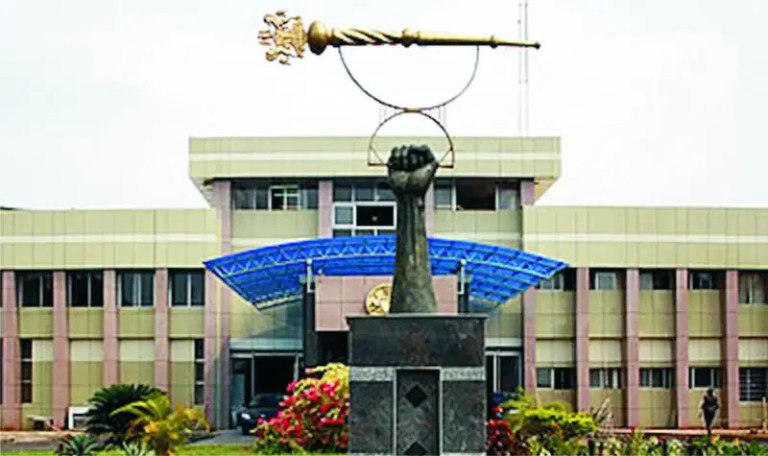
Benue State House of Assembly has stepped up moves to promote inclusive governance, holding a public hearing on four proposed laws targeting key areas of the state’s growth.
During plenary in Makurdi, the state capital, the Speaker, Rt. Hon. Alfred Aondoaver Emberga, represented by his deputy, Rt. Hon. Lami Danladi Lawrence, said the exercise shows the Assembly’s determination to pass laws that reflect the real needs and expectations of the people of Benue.
He noted that the hearing, coming just days after a previous one, demonstrates the legislature’s steady commitment to involving citizens in the lawmaking process.
According to him, the bills being reviewed are crucial for reinforcing governance systems and enhancing service delivery throughout the state.
In a statement issued by the Chief Press Secretary to the Speaker, Zape Michael Upaa, one of the key proposals focuses on providing free treatment for snakebite victims in public hospitals, alongside the creation of a control committee to manage coordinated responses.
Emberga described snakebite cases as an often-overlooked but serious threat in rural areas, especially among farmers, adding that the bill would remove cost barriers to treatment and establish a more organised response framework.
The statement also revealed that lawmakers are examining a bill to create the Benue State Road Maintenance Agency (BENROMA).
“The Assembly is considering a bill to establish the Forestry, Mines and Solid Minerals Management Commission. The fourth bill seeks to repeal and re-enact the Benue State Local Government Law of 2007.
The Speaker explained that the proposed legislation is intended to modernise local government administration, strengthen accountability, and align operations at the grassroots level with current legal and administrative realities,” the speaker said.
The Speaker added that the public hearing was organised to gather contributions from a wide range of stakeholders, including traditional leaders, civil society groups, experts, and members of the public.
He assured that all submissions and memoranda would undergo thorough scrutiny by the appropriate standing committees to ensure the eventual laws reflect the collective interest of the people.
In his opening remarks, the Majority Leader of the Assembly, Sir Thomas Dugeri, stressed that the hearing goes beyond a routine legislative step, describing it as an essential pillar of democratic governance.