China has strongly denounced the United States’ new visa restrictions targeting Chinese students, calling the move by the Trump administration “political and discriminatory” as tensions between the two countries continue to escalate.
On Wednesday, the US announced plans to “aggressively” revoke visas for Chinese students and implement stricter visa checks for future applications from China and Hong Kong.
The policy shift, unveiled by Secretary of State Marco Rubio, has sent shockwaves through American universities that rely heavily on revenue from international students.
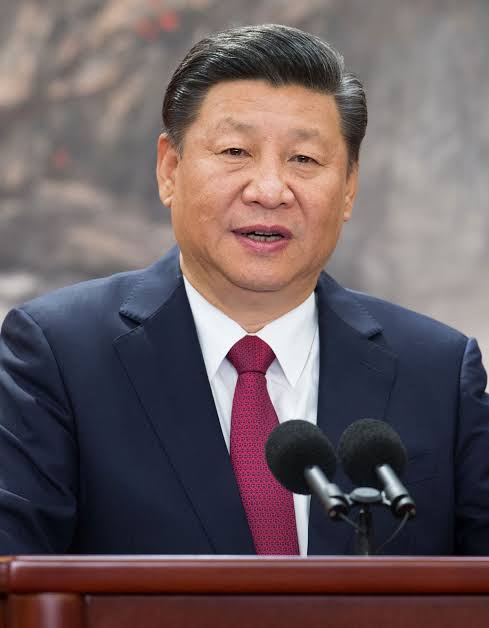
China responded with sharp criticism on Thursday, as foreign ministry spokeswoman Mao Ning condemned the decision, saying Beijing had lodged a formal protest with Washington.
Blasting the US for “unreasonably” cancelling Chinese students’ visas, Mao said: “China urges the United States to safeguard the legitimate rights and interests of international students, including those from China.”
The US’s decision is part of a broader push by the Trump administration to clamp down on international students, particularly those it views as linked to sensitive fields or Chinese government interests.
Rubio, defending the administration’s latest action, declared: “We will aggressively revoke visas for Chinese students, including those with connections to the Chinese Communist Party or studying in critical fields. We will also revise visa criteria to enhance scrutiny of all future visa applications from the People’s Republic of China and Hong Kong.”
The measures have sparked uncertainty among students from other countries as well. A PhD student from Taiwan, who is set to study in California, expressed concern about the process being delayed by the visa freeze.
“I understand the process may be delayed but there is still some time before the semester begins in mid-August,” said the 27-year-old student who did not want to be identified. “All I can do now is wait and hope for the best.”
In the 2023-24 academic year alone, China sent 277,398 students to the US, although India has now overtaken it for the first time in years, according to data from the Institute of International Education.
The move also comes amid deepening disputes between Trump and major US universities. Harvard University, in particular, has faced intense scrutiny from the administration over admissions practices and student protests.
Trump’s administration has already sought to terminate permissions for all international students at Harvard, an institution that has pushed back against the president’s policies.
Tensions have peaked ahead of Harvard’s graduation ceremony, with a judge temporarily halting the administration’s order to bar foreign students pending a court hearing.
The White House has stripped federal research funding from Harvard and other leading universities, accusing them of promoting liberal ideologies at odds with American values.
White House Press Secretary Karoline Leavitt explained the administration’s stance: “The president is more interested in giving that taxpayer money to trade schools and programmes and state schools where they are promoting American values, but most importantly, educating the next generation based on skills that we need in our economy and our society.”
Some Harvard students fear that these policies will make American universities less appealing to international scholars.
“I don’t know if I’d pursue a PhD here. Six years is a long time,” said Jack, a history of medicine student from Britain who is graduating this week and gave only a first name.
Harvard has already launched extensive legal challenges to counter the administration’s efforts.
Meanwhile, Rubio has intensified his push, even as China criticised his decision to suspend visa appointments worldwide. A cable signed by Rubio earlier this week ordered embassies and consulates to halt “any additional student or exchange visa… appointment capacity until further guidance is issued” while ramping up social media scrutiny of applicants.
The broader implications of the visa crackdown have yet to fully emerge, but observers warn it could harm not only Chinese students but also America’s reputation as a top destination for global talent.