


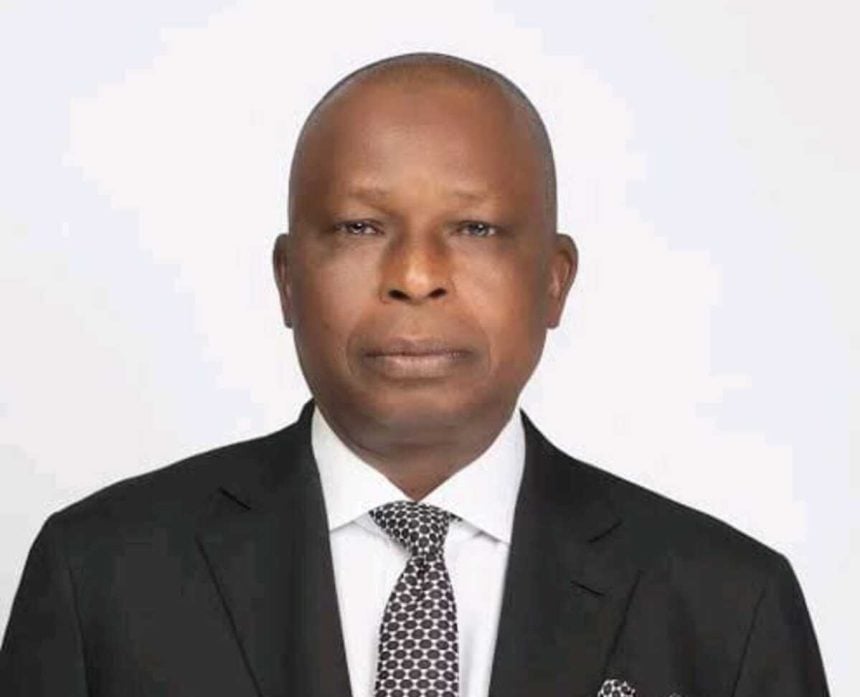
Attorney-General of the Federation (AGF) and Minister of Justice, Lateef Fagbemi, on Monday advocated the adoption of state policing and stronger community-based justice systems, warning that Nigeria’s worsening insecurity is rooted in unresolved local conflicts.
Speaking at the 2026 Law Week of the Nigerian Bar Association (NBA), Sokoto branch, Fagbemi said many of the country’s violent crises begin as minor disputes that spiral out of control due to weak or delayed justice.
“Many of the conflicts that later become major security threats start as simple disagreements—over land, family, or identity,” he said.
“When they are not resolved quickly and fairly, they escalate into wider crises.”
He argued that national security must be built from the grassroots, not imposed solely from the centre.
“Security begins within communities, not just at the borders or through armed forces. When communities are stable, the nation is secure,” he added.
The AGF described state police as a necessary step towards improving Nigeria’s security response.
“State policing offers faster response, better intelligence, and a closer connection to the people,” Fagbemi said.
“It strengthens trust, improves accountability, and allows more effective handling of local security challenges.”
He noted that decentralising policing would also reduce pressure on federal security agencies and enhance efficiency.
Highlighting ongoing efforts to tackle insecurity through the justice system, Fagbemi revealed that the Federal Government secured 386 convictions out of 508 terrorism-related cases recently prosecuted.
“This reflects our commitment to the rule of law and our confidence in the judiciary as a key pillar of national security,” he said.
“Where justice is weak or delayed, impunity thrives—and insecurity grows.”
Earlier, Chairman of the NBA Sokoto branch, Rashida Muhammad, raised concerns over the impact of insecurity on citizens and institutions.
“This gathering is not just symbolic—it is a clear demonstration of our readiness to confront insecurity and strengthen the rule of law,” she said.
She warned that persistent insecurity is fuelling fear and weakening national cohesion.
“Without strong institutions and effective enforcement, sustainable development will remain out of reach,” Muhammad added.
Fagbemi urged legal practitioners to expand their role beyond litigation, positioning themselves as agents of stability within their communities.
“Lawyers must bridge the gap between the law and the people, ensuring justice is accessible at all levels,” he said.
“Justice delayed is not just denied—it undermines security.”
He also advocated wider use of mediation and other alternative dispute resolution mechanisms to prevent conflicts from escalating.
Sokoto govt highlights justice reforms
In his remarks, Sokoto State Governor, Ahmed Aliyu Sokoto, said his administration is strengthening the judiciary to improve justice delivery.
“Insecurity poses a serious threat to governance and social stability, and we must confront it collectively,” he said.
Aliyu disclosed that 14 judicial officers had been appointed, with new court infrastructure projects nearing completion.
Fagbemi concluded with a call for collective responsibility, stressing that sustainable security depends on trust built through accessible justice.
“When justice is visible at the grassroots, trust grows—and when trust grows, security follows,” he said.
The annual Law Week brought together lawyers, policymakers, and stakeholders to discuss solutions to Nigeria’s security and governance challenges.