
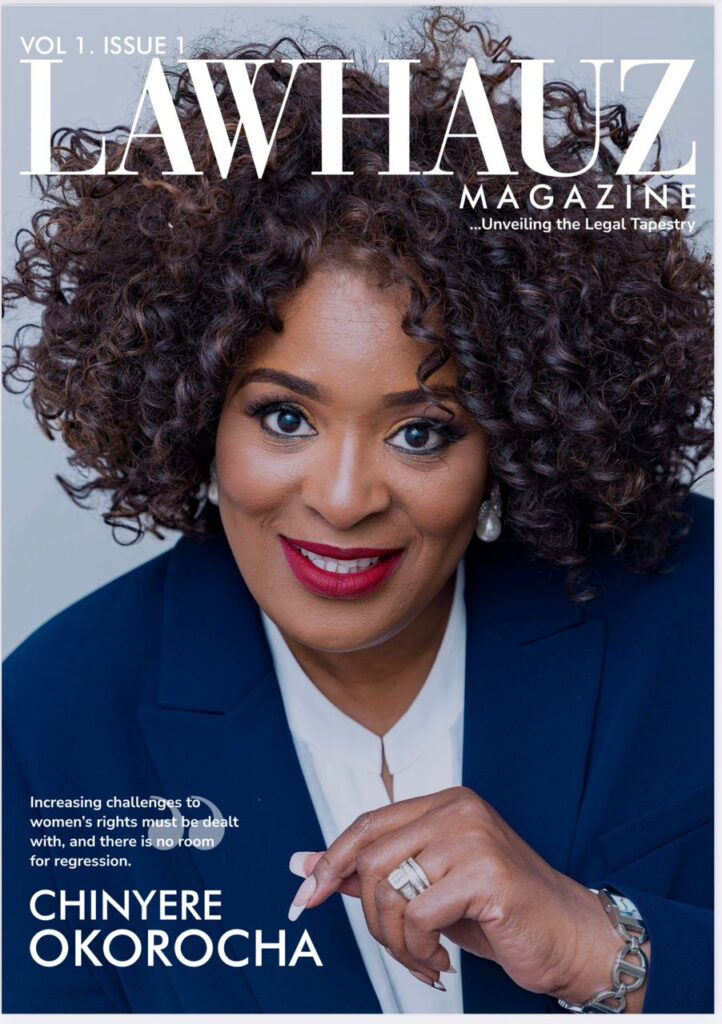


By Ifeoma Ben, LLM, MBA
Nigeria’s digital media space has evolved into a vibrant commercial ecosystem where brands, influencers, and content creators collaborate daily. From social media campaigns and brand endorsements to event sponsorships and long-term partnerships, advertising has moved beyond traditional platforms into a fast-paced digital marketplace.
Behind these transactions lies a growing need for legal structure. For lawyers, advertising, sponsorship, and brand deals present a valuable opportunity to build a commercially relevant and repeatable practice.
The Rise of Influencer and Brand Collaborations
Influencer marketing has become one of the most effective ways for brands to reach audiences. Companies now partner with content creators across platforms such as Instagram, TikTok, YouTube, and X to promote products and services.
These relationships often begin informally, but as the value of deals increases, the need for clear legal agreements becomes essential. Lawyers can step in to structure these relationships properly, ensuring that expectations are defined and risks are managed.
For legal practitioners, this is an entry point into a growing stream of commercial work.
Structuring Advertising and Sponsorship Agreements
Advertising and sponsorship deals require careful drafting to ensure that all parties understand their obligations. Lawyers draft agreements that define deliverables, timelines, payment terms, exclusivity provisions, and termination rights.
Sponsorship agreements for events, shows, and digital content also involve branding rights, visibility commitments, and performance expectations. Clear contractual terms reduce the risk of disputes and protect the commercial interests of both brands and creators.
Lawyers who develop expertise in these agreements can offer services on a recurring basis, as brands and creators continuously enter into new partnerships.
Endorsement Deals and Reputation Management
Endorsement agreements go beyond simple advertising. They involve the use of a creator’s image, name, and reputation to promote a brand. This raises important legal considerations, including moral clauses, exclusivity, and reputational risk.
Lawyers advise clients on structuring endorsement deals that protect both parties. They ensure that creators are fairly compensated while safeguarding brands against conduct that may harm their reputation.
In a digital environment where public perception can change quickly, legal guidance is critical in managing these risks.
Regulatory Compliance in Advertising
Advertising in Nigeria is subject to regulatory oversight, including standards set by relevant advertising and consumer protection authorities. Digital advertising, particularly on social media, also raises issues around disclosure, truthfulness, and consumer protection.
Lawyers help brands, agencies, and influencers comply with these regulations by advising on advertising standards, drafting compliant content terms, and ensuring proper disclosures in sponsored content.
Failure to comply can lead to sanctions, reputational damage, and loss of consumer trust. Legal advisers therefore play a key role in ensuring that marketing activities remain within regulatory boundaries.
Building Repeat Commercial Advisory Work
One of the most attractive aspects of this practice area is its repeat nature. Brands run campaigns regularly, influencers enter into multiple deals, and agencies manage numerous client relationships.
Lawyers who position themselves as advisers in this space can secure ongoing work through contract drafting, deal review, and advisory retainers. By understanding the commercial realities of media and advertising, lawyers become trusted partners in their clients’ business activities.
This creates opportunities for consistent income and long-term client relationships.
Opportunities for Young Lawyers
Advertising and influencer transactions offer accessible entry points for young lawyers. Drafting basic agreements, reviewing contracts, and advising on simple deals can provide practical experience and exposure to commercial law.
With time, lawyers can expand into more complex transactions, including multi-party sponsorship deals and cross-border campaigns. Building expertise in this area can lead to a specialised and profitable niche.
Conclusion
Nigeria’s digital advertising and influencer economy continues to grow, creating new opportunities for brands and content creators. However, sustainable success in this space depends on clear legal structures that define relationships, protect reputations, and ensure compliance.
For lawyers, advertising, sponsorship, and brand deals offer a dynamic and commercially viable practice area. By advising on contracts, regulatory compliance, and risk management, legal professionals can position themselves at the centre of Nigeria’s evolving media economy while building strong and profitable careers.